A single fall can shrink a life fast. One broken hip or painful fracture can turn stairs, errands, and even getting out of bed into a daily struggle.
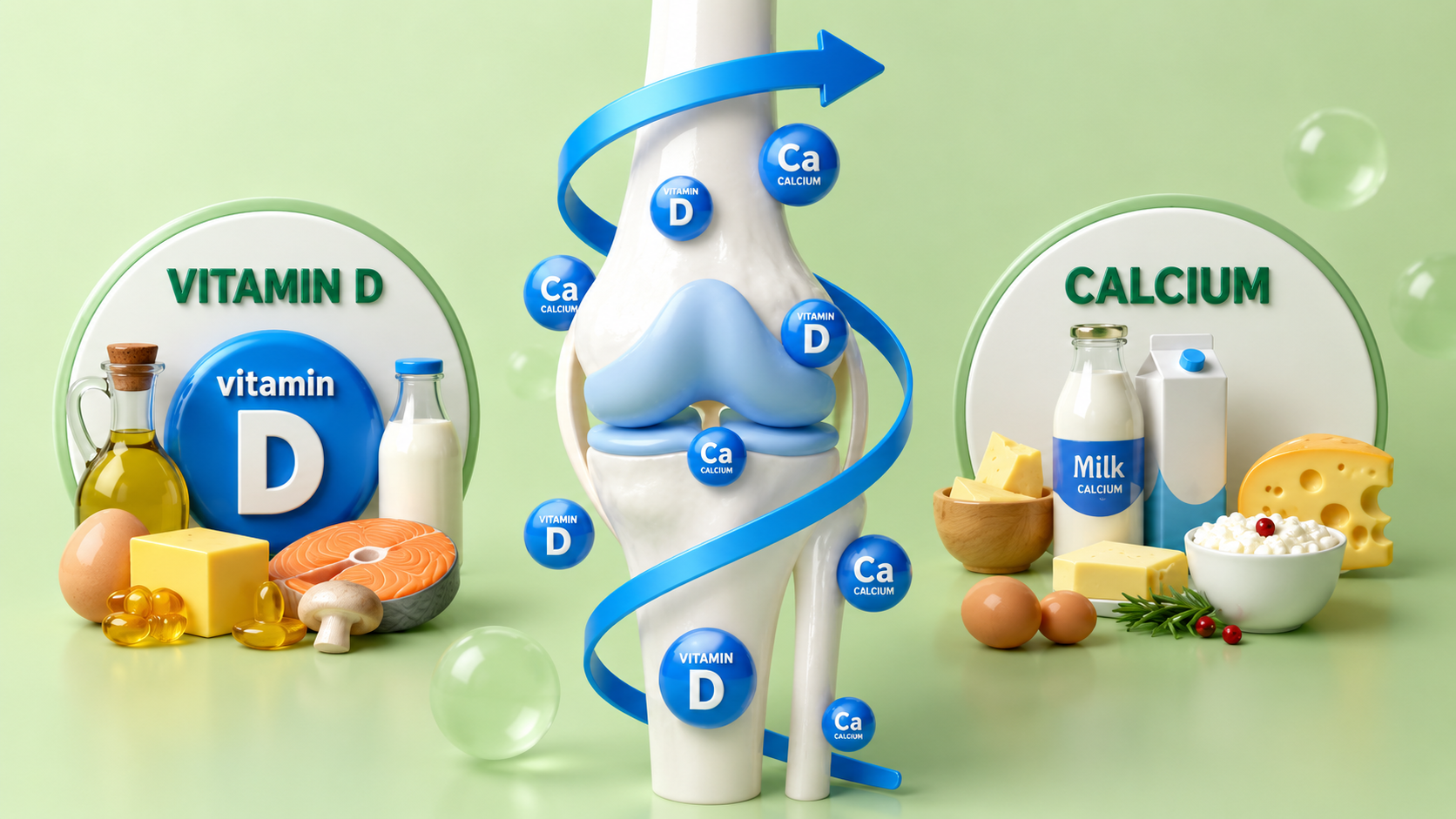
That fear is why many older adults take calcium and vitamin D. Yet a large review published in The BMJ found little to no clinically meaningful benefit for most older adults when it came to preventing falls and fractures.
If you take these supplements, or help a parent decide what to use, the finding matters. The reason starts with how much one fall can change daily life.
Why falls and fractures are such a big concern as we age
Falls are common in later life, and their effects can last much longer than the moment itself. Nearly 1 in 3 adults age 65 and older falls each year, according to the report covered in this news item. For many families, that number stops being a statistic the first time a loved one ends up in the ER.
A fall can lead to a fracture, but it can also bring pain, fear, and a sudden loss of routine. Even when someone heals, recovery may take months. Daily life often gets smaller during that time.
How a single fall can change daily life
One bad step can trigger a long chain of problems. A broken hip or other serious fracture may mean surgery, a hospital stay, rehab, and weeks or months with limited movement. During that stretch, simple tasks like bathing, dressing, or cooking may need help from someone else.
There is also the fear that follows the injury. Many older adults become more cautious after a fall, and that can make them move less. Less movement can weaken muscles, which may raise fall risk again. In other words, the body and the mind can both take a hit.
For some people, the loss of independence is the hardest part. A person who once drove, shopped, and lived alone may suddenly need a walker, home support, or even long-term residential care. That is why fall prevention matters so much. The goal is not only to avoid injury, but also to protect confidence, mobility, and choice.
Why older adults often look to supplements for protection
Calcium and vitamin D have long been tied to bone health, so it makes sense that many people reach for them. The idea is simple and comforting: stronger bones should mean fewer fractures, and fewer fractures should mean less disruption after a fall.
Supplements also feel manageable. A pill is easy to buy, easy to take, and easy to fold into a morning routine. Compared with exercise plans or home safety changes, it can seem like the most direct step.
That hope is understandable. Most people are not chasing perfect health. They are trying to stay steady, stay mobile, and stay in their own homes for as long as they can.
What the British Medical Journal review actually found about calcium and vitamin D
The new review looked at a simple question: do calcium supplements, vitamin D supplements, or both together lower the risk of falls and fractures in older adults? The answer, for most people in the studies, was not encouraging.
Researchers in Canada pulled together evidence from randomized controlled trials and compared supplement use against placebo or no treatment. That kind of review matters because it looks across many studies instead of leaning on one headline result.
The size of the evidence behind the review
This was not a small snapshot. The review included 69 randomized controlled trials involving about 154,000 adults. That gives the findings real weight, because large reviews can smooth out the noise that sometimes shows up in smaller studies.
Randomized controlled trials are often treated as strong evidence because they compare groups in a structured way. When dozens of those trials point in the same direction, it becomes harder to argue that the lack of benefit is a fluke.
This quick summary captures the review’s core comparisons.
| Supplement approach | Compared with | Main finding |
|---|---|---|
| Calcium alone | Placebo or no treatment | Little to no meaningful reduction in falls or fractures |
| Vitamin D alone | Placebo or no treatment | Little to no meaningful reduction in falls or fractures |
| Calcium plus vitamin D | Placebo or no treatment | Little to no meaningful reduction in falls or fractures |
For most older adults in the review, these supplements did not provide the level of fall or fracture protection many people expected.
What did not improve in the study
The review found little to no reduction in overall fracture risk. It also found little to no benefit for hip fractures, which are often the injuries families fear most because they can lead to pain, surgery, and long recovery.
Falls themselves did not drop in a meaningful way either. That point matters because many people take these supplements hoping not only to protect bone, but also to avoid the event that causes the injury in the first place.
A BMJ Group summary of the findings put the message in plain language: for most older adults, the supplements offered little to no clinically meaningful benefit for fracture and fall prevention.
Why the phrase “little to no benefit” matters
This wording is easy to misread, so it helps to slow down. The review did not say supplements are useless in every case. It said the expected protection was not seen in a meaningful way for most older adults included in these studies.
That is a big difference. Many people treat calcium and vitamin D as a broad shield against falls and fractures. The review suggests that shield is much weaker than many assumed.
The takeaway is not that bone health stops mattering. The takeaway is that pills alone may not do the heavy lifting people hoped they would do.
Who the findings may not apply to
Broad reviews are useful, but they do not flatten every medical situation into one answer. The researchers were careful about that point.
They said the findings may not apply to people with certain bone disorders or to those already receiving medication for osteoporosis. That caution matters because health decisions often change once a person has a known condition or a treatment plan in place.
People with bone disorders need a different conversation
Some medical conditions affect bones in ways this review does not fully capture. A person with a bone disorder may have different risks, different lab results, and a different reason for using supplements in the first place.
That means the headline result should not be stretched too far. A study can be accurate for “most older adults” and still leave room for people whose health picture is more complicated.
Context matters here. Bone health is not only about age. It can also be shaped by illness, nutrient levels, previous fractures, and how the body absorbs or uses nutrients.
Why osteoporosis treatment is a separate issue
People who already take prescription medication for osteoporosis are in a different category. Their care may include medicines, monitoring, nutrition, and fall prevention steps that work together.
Because of that, this review should not be treated like a green light to stop treatment. It does not erase the fact that some people have diagnosed bone disease and need a plan built around that reality.
This is one reason news about supplements can feel confusing. A result that applies to the general older population does not always map neatly onto a person who is already under treatment for a bone condition.
If supplements are not the whole answer, what helps more?
The researchers pointed attention toward other measures, and their list was practical: balance training, resistance exercise, and personalized fall prevention programs that combine exercise, hazard checks, and education. That wider view fits the idea of building foundational bone and systemic health, where steady habits matter more than any single fix.
In other words, fall prevention is often about the whole setup of daily life. Muscles matter. Balance matters. The home environment matters too.
Balance training can help steady the body
Balance work can improve stability while standing, turning, and walking. Those moments sound ordinary, but they are often where falls happen, especially when a person is tired, distracted, or moving across an uneven surface.
Better balance may also improve confidence. When people trust their body more, they may move more naturally instead of stiffening up with every step. That confidence can help protect mobility over time.
Resistance exercise supports stronger muscles
Stronger muscles give the body more support. Legs, hips, and core muscles all help with standing up, climbing stairs, and catching yourself during a stumble.
Resistance exercise matters because falls are not only about bones. They are also about whether the body can react fast enough and stay steady enough to avoid hitting the floor. A stronger body can make that easier.
Even after an injury, muscle strength can shape recovery. Someone with more reserve often has a better base to work from during rehab.
Home safety checks can remove hidden risks
Many homes contain small hazards that become serious with age. Loose rugs, dim lighting, cluttered paths, and unsafe stairs can turn a routine walk to the bathroom into a risky trip.
Hazard checks sound boring, but they can have a direct effect on fall risk. A brighter hallway, a cleared walkway, or a safer stair setup can reduce the chance of a bad fall in a way a pill cannot.
This part of prevention is easy to overlook because the danger often hides in plain sight. People get used to their homes, even when those spaces slowly become harder to move through safely.
Personalized fall prevention plans fit real life
The most useful plans are not one-size-fits-all. One person may need balance work after a recent fall. Another may need strength training because weak legs make stairs harder. Someone else may need home changes because poor lighting is the bigger issue.
That is why the review’s emphasis on personalized programs matters. The strongest approach often combines movement, safety checks, and education based on the person’s own risks and habits.
A plan built around real life has a better chance of sticking. It also respects a simple truth: older adults do not all fall for the same reason, so they should not all get the same answer.
How to think about calcium and vitamin D after this review
The smartest response is calm, not panicked. This review does not say everyone should toss their supplements. It says these pills should not be treated as a magic shield against falls and fractures for most older adults.
That shift in thinking matters. A supplement may still have a place, but it should sit inside a broader plan instead of carrying the full burden by itself.
When a doctor may still recommend supplements
Some people may still be told to take calcium or vitamin D because their intake is low, they have a deficiency, or their medical history calls for it. In those cases, the goal may be different from broad fall prevention.
That is why a personal recommendation can still make sense even after a large review like this. A general finding is about patterns in large groups. Medical advice is about the person in front of the clinician.
Questions worth asking at your next checkup
A good next step is not to assume. It is to get clear on why a supplement is part of the routine, and what else might help more.
You may want to ask:
- Whether you need the supplement based on your diet, health history, or lab results
- Whether food could cover some of the gap
- Whether balance work, strength training, or a home safety check would do more to lower fall risk
Those questions move the focus from habit to purpose. That is often where better care starts.
What matters most now
A single fall can still change daily life in an instant, which is why clear evidence matters. This review found little to no meaningful protection from calcium, vitamin D, or both together for most older adults when it came to falls and fractures.
Bone health still matters, and so does fall prevention. The stronger path looks broader: better balance, stronger muscles, safer homes, and care that matches the person.
Supplements may still have a role in some cases. They just should not carry a promise the evidence did not support.