Last year, natural disasters forced an estimated 13.6 million people from their homes. For many families, that didn’t mean a flight overseas, it meant leaving with a few bags, sleeping in a crowded shelter, or coming back to a neighborhood broken by floodwater, ash, or heat.
Climate disasters are no longer rare shocks that strike one place at a time. The last 11 years have been the hottest ever recorded, and that heat is feeding stronger storms, longer droughts, harsher wildfires, and punishing heat waves. That chain of damage is pushing millions of people from home, and the pressure is building fastest where poverty, conflict, and rising fuel costs already strain daily life.
Why climate disasters are forcing so many people from their homes
Hotter air and warmer seas load the dice. Storms can pull in more moisture, drought can last longer, and forests dry out faster. Meanwhile, heat waves strain water systems, power grids, and public health, so the damage does not stop when the weather event ends.
New research from the University of Hamburg says natural disasters displaced 13.6 million people last year, nearly 4 million more than in 2024. That picture matches IDMC’s data on disaster displacement, which tracks how storms, floods, fires, and droughts force people to move. Most of those displaced people stayed inside their own countries, but staying close to home did not protect them from loss.
Most people uprooted by climate disasters do not cross a border. They still lose shelter, income, and a basic sense of safety.
How extreme weather turns into displacement
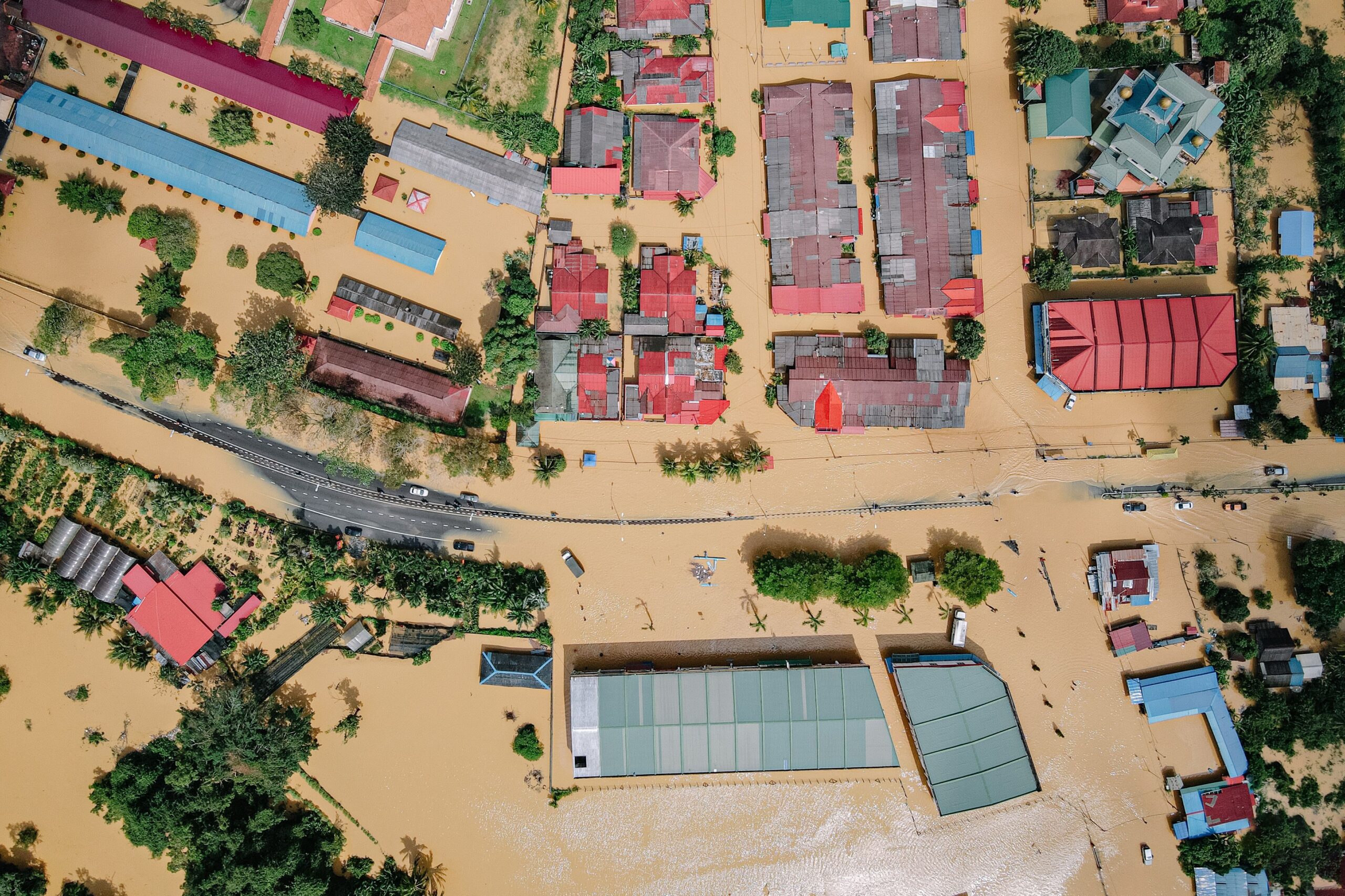
A flood can make a whole neighborhood unlivable in a day. Walls crack, wells are polluted, roads wash out, and power fails. Even when a house is still standing, mold, sewage, and broken services can make it unsafe to stay.
Drought pushes people out more slowly, yet the result can be just as severe. Crops fail, livestock weaken, and water has to be hauled from farther away. When a farmer can no longer grow food or earn cash, leaving becomes a way to survive.
Wildfires strike with a different kind of speed. Families may flee within hours, while smoke, burned utilities, and destroyed streets keep them away long after the flames are gone.
Why repeated disasters make recovery harder
One disaster can wipe out savings. Two or three in a short span can erase any plan to rebuild. A family that fixes a roof after a flood may face another storm before the debt is paid.
Repeated shocks trap people in a hard cycle. Insurance is often thin or absent, public aid runs short, and prices keep rising. Each repair drains more money, and each move makes the next recovery harder.
The new face of climate displacement across every continent
This is no longer a story about one coastline or one bad fire season. Wildfires have scorched parts of North America. Floods have hit countries across Africa and South Asia. Typhoons have battered communities across East and Southeast Asia, while record heat waves have stretched across Europe, the Middle East, and beyond.
The broader pattern is visible in recent UN climate reports, which warn that rising heat, water stress, and severe weather are already affecting billions of people. In other words, climate pressure is no longer isolated. It is part of daily life across the world.
No region is being spared
The form of damage changes by place, but the effect is familiar. In one region, fire wipes out homes at the edge of a town. In another, floodwater sits for weeks and turns streets into mud, disease risk, and wrecked transport. Along a coast, stronger storms destroy boats, schools, and clinics in a single night.
Many people still picture climate displacement as something far away, limited to low-lying islands or poor rural districts. That picture is outdated. Cities, suburbs, farm belts, river towns, and coastal communities are all exposed, although in different ways.
Why the Global South is hit first and hardest
The burden is not shared evenly. Poorer regions often have weaker housing, fewer public services, less insurance, and less spare cash after a disaster. So the same flood that is costly in one country can be crushing in another.
Research cited in the report says around one in five people already live in high climate-risk zones, many of them in the Global South. When hazards return again and again, recovery windows shrink. Families get less time to rebuild, governments get less room to spend, and communities face the next disaster before they have recovered from the last one.
Climate disasters and conflict are piling up at the same time
Weather shocks do not arrive alone. The same researchers say global war and violence reached their highest level since World War II in 2025. They also say the war involving the US, Israel, and Iran intensified that trend and disrupted major energy routes, especially the Strait of Hormuz, which is now only partly open.
That matters because climate stress, conflict pressure, and economic shock can hit the same family at once. A flooded town may also face fuel shortages. A drought-hit region may also be dealing with violence or a damaged power network. When those pressures stack up, leaving home becomes more likely and returning becomes harder.
These pressures connect in direct ways:
| Pressure | What it disrupts | What families face |
|---|---|---|
| Floods and storms | Homes, roads, water, power | Sudden evacuation and long cleanup |
| Drought and heat | Crops, livestock, local jobs | Lost income and slow-moving displacement |
| Conflict and violence | Aid routes, clinics, utilities | Fear, blocked services, and added movement |
| Higher oil and gas prices | Food transport, power costs, public budgets | Harder recovery after disaster |
The road back gets longer when these forces overlap.
How war and violence add another layer of fear
Conflict can damage bridges, ports, fuel depots, and hospitals before a storm ever hits. It can also block aid trucks, close roads, and make shelters unsafe. Even families whose homes are still standing may leave because the area around them no longer works.
This overlap also strains governments. Money that might go to rebuilding after floods or fires may be redirected to security, emergency fuel, or damaged infrastructure. As a result, temporary movement lasts longer.
Why rising energy prices matter for displaced families
Higher oil and gas prices move fast through an economy. Fuel costs rise first, then food, transport, and electricity bills follow. For families already paying for repairs, medicine, or temporary rent, that added pressure can force another move.
Countries in the Global South often feel this shock more sharply because their budgets have less room to absorb it. So even when the Strait of Hormuz stays partly open, the price spike can still deepen the human cost of climate disasters.
What displaced families lose beyond a roof over their heads
A damaged house is the most visible loss, but it is rarely the only one. When people are forced to move, they can lose the school down the street, the clinic that knows their medical history, the shop where they worked, and the neighbors who helped them through hard weeks. Home is also routine, memory, and trust.
Displacement strips away that everyday structure fast. A family may end up in a shelter with little privacy and no clear date for return. Adults spend their days chasing paperwork, water, transport, or a new place to sleep. Meanwhile, stress settles into the hours that used to feel ordinary.
The hidden cost of losing livelihoods
For farmers, a failed harvest can mean hunger and debt at the same time. For fishers, damaged boats or polluted water can end a season at once. Shop owners lose stock, workers lose shifts, and local markets go quiet when roads and power lines fail.
That is why displacement is also an economic crisis. Income often disappears before formal help arrives. Even families that escape with their lives may lose the means to rebuild them.
How children and older adults are affected most
Children pay a high price when schools close or when a move splits the school year in half. Learning falls behind, friendships vanish, and sleep often gets worse in crowded shelters. Over time, that disruption can leave marks that last longer than the storm itself.
Older adults face a different set of risks. Travel is harder, medication can be interrupted, and heat or smoke can turn an evacuation into a medical emergency. When climate disasters force movement, the people least able to absorb change often carry the heaviest burden.
What can help reduce future climate displacement
The scale of the problem is huge, but many of the tools to cut risk are already known. Better warning systems can give people time to move before floodwater or fire arrives. Stronger homes, safer roads, flood barriers, and wildfire planning can keep a bad event from turning into mass displacement.
Long-term progress also depends on slowing the warming behind these disasters. Everyday buildings are part of that story, which is why home energy consumption and the climate matters far beyond a single utility bill.
Smarter planning can save lives before disaster strikes
Good planning starts with land use. Building homes in floodplains, on unstable slopes, or in fire-prone edges of town raises risk before the weather even changes. Cities also need better drainage, more shade, cooler public spaces, and evacuation routes that work for people without cars.
Early warnings help most when people trust them and can act on them. That means alerts in local languages, shelters that are reachable, and public systems that do more than sound an alarm. Preparation is less dramatic than rescue footage, but it saves homes, money, and years of upheaval.
Why support for vulnerable countries matters
Countries with the fewest resources often face the biggest climate threats. They need funding to strengthen housing, protect water systems, restore farmland, and support people who have already been displaced. Without that help, each new disaster can turn short-term evacuation into long-term loss.
Protection also has to follow people after they move. Programs like UNHCR’s climate change and displacement work focus on helping communities adapt and helping displaced families rebuild safer lives. If forced movement is to slow, support has to reach the places where danger is rising fastest.
Climate disasters are already reshaping daily life
The figure at the start, 13.6 million people forced from their homes in one year, is not a distant warning. It is a count of uprooted families, interrupted schools, empty farms, and towns trying to recover while the next shock is already forming.
The clearest lesson is simple. Displacement grows when heat, disaster, conflict, and high costs hit the same place at the same time. Poorer countries and poorer communities pay more, and repeated losses make every return harder than the last.
Climate disasters are already changing where people can live and how safely they can stay there. The world is not waiting for this crisis to arrive. It is already living inside it.