A home doesn’t only use power anymore. It shapes it, stores it, and sometimes sends it back out.
That shift sits at the center of home energy today. At Schneider Electric India’s Innovation Summit India 2026, the company described the house as both a place of comfort and an active energy system, where the first light switch in the morning and the last scene at night belong to the same story.
The details of that story matter, because they show where the modern home is heading.
Energy starts with the way people live
When Schneider Electric talked about energy, it didn’t begin with technical charts or hardware specs. It began with the home itself. That choice matters, because most people experience energy through ordinary actions, turning on a light, adjusting cooling, lowering blinds, or setting the mood in a room.
In that view, energy is not an abstract service that sits behind the wall. It moves through the rhythms of the day. Morning starts with a switch. Evening ends with a softer scene. Between those points, power runs through lighting, entertainment, comfort, and routine.
That framing makes the topic easier to grasp. If people spend much of their time at home, then the house is one of the clearest places to rethink energy use. Schneider Electric also places that daily use inside a larger climate question, saying homes account for about 20% of global CO2 emissions, much of it tied to energy consumption. So the home is both personal and environmental at once.
The presentation tied several pieces together in a simple way.
| Part of the home | What Schneider Electric highlighted | Why it matters |
|---|---|---|
| Everyday controls | Unica X and Unica Pure Plus switches | The switch is the first touchpoint |
| Room automation | KNX wall panel and scenes | One interface can shape comfort and mood |
| Energy systems | Solar, storage, grid connection, EV charging | The home can use and produce power |
| Wireless automation | Wiser | Energy management follows daily routine |
Put together, that is a picture of a home where design, comfort, and energy control are no longer separate topics.
Unica shows why the switch still matters
One of the clearest parts of the presentation focused on the Unica range, which Schneider Electric described as its most intuitive line. That may sound like a small detail at first. Yet the switch is one of the few pieces of home technology people touch every single day.
Schneider Electric introduced Unica X as a super-premium range built around a more luxurious look. The message was not only about function. It was also about presence. A switch sits in plain sight, so its finish, shape, and feel all affect the room. In a well-designed home, even small wall details carry visual weight.
The company also highlighted Unica Pure Plus, which includes a slider-style switch that mirrors the gesture people already use on a phone. That is a smart cue. Familiar touch patterns make controls feel easier from the first use. The flat switches add to that cleaner look, while finishes such as anthracite, metallic bronze, and silver gray give homeowners more control over the room’s visual language.
This part of the presentation made a larger point without overexplaining it. A modern home doesn’t separate utility from aesthetics as neatly as it once did. The same wall element can be practical, tactile, and attractive. When that happens, technology feels less intrusive.
A better switch will not solve home energy use on its own. Still, it changes the relationship between the homeowner and the space. The wall becomes a place where comfort, design, and energy choice come together.
One wall panel can shape the whole room
From switches, Schneider Electric moved to a bigger idea, room control through a single wall panel. Standing in a living room setting, the presentation showed how one interface can manage lights, the TV, air conditioning, blinds, and preset scenes for the space.
That is a meaningful change because it turns a list of separate controls into one organized point of contact. Instead of making several adjustments one by one, the homeowner can choose a mode that matches the moment. Day mode can brighten the room and open it up. Night mode can soften the lighting. Movie mode can set a more focused atmosphere by adjusting multiple elements together.
The wall switch is no longer the end point. It is the front door to the room’s wider energy setup.
Schneider Electric connected this idea to its KNX wired automation system. KNX gives structure to the scene-based approach. It allows one panel to coordinate different devices so the room behaves like one space rather than a pile of disconnected products.
That matters for comfort, but it also matters for energy. Scene control reduces small frictions. People don’t need to remember every light level, blind position, or AC setting each time they want a certain feel. They choose the outcome they want, and the system handles the rest. Good automation often works best when it speaks the language of daily habits.
The living room example was simple, yet it said a lot. Home automation is no longer only about remote control. It is about shaping mood, convenience, and power use through one clear interface on the wall.
The home is no longer only a consumer of power
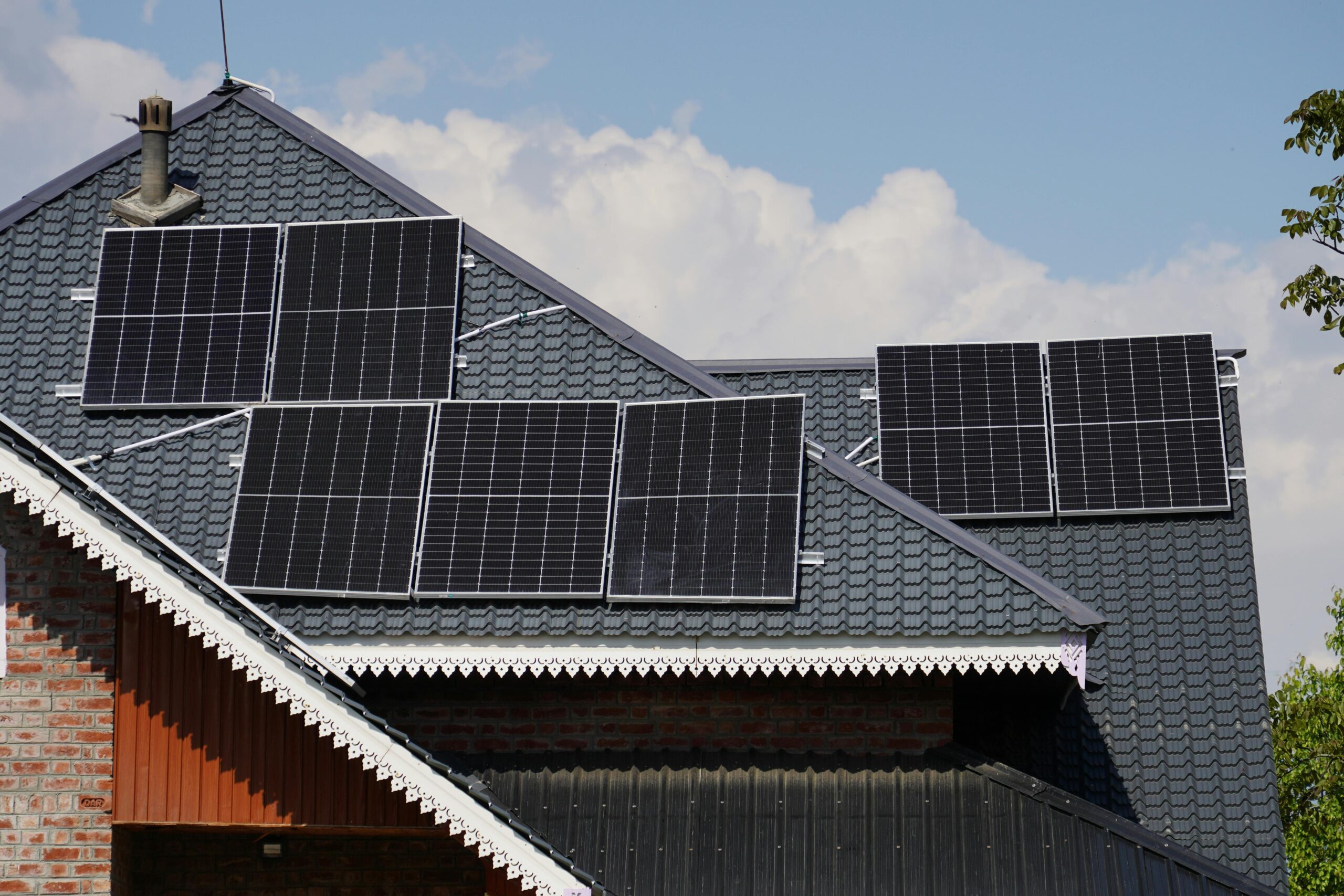
Schneider Electric pushed the story beyond switches and scenes by focusing on how homes now handle electricity itself. According to the presentation, today’s homes are not only consuming energy. They are also producing it through solar panels, storing it, and in some cases sending it back to the grid.
That changes the role of the house in a big way. For a long time, the home was mainly the last stop in the energy chain. Power came in, and people used it. Now the house can also act as a small energy hub with its own generation and storage. That makes energy efficiency and sustainability part of the same conversation.
The overlap is easy to see outside this presentation too. Coverage of 2026 green home trends for U.S. homeowners points to energy-efficient design and smart technology as leading priorities, which fits the direction Schneider Electric described.
The presentation also brought electric mobility into the picture through EV chargers and EV sockets. That matters because once a vehicle charges at home, transportation becomes part of the home’s energy plan. The garage, driveway, or charging point now sits inside the same power story as lighting, cooling, and solar production.
As a result, timing starts to matter more. Solar output, stored energy, grid use, and charging demand begin to interact. Schneider Electric did not turn this into a technical lecture, and it didn’t need to. The point was clear enough: a modern home has to think about power across the whole property.
That same demand appears in U.S. housing coverage, where smart home technology and energy-efficient construction are described as major homeowner requests for 2026. The market language may vary, but the direction is similar.
Wiser adds a wireless layer that adapts to routine
If KNX is the wired side of Schneider Electric’s automation story, Wiser is the wireless side. The company presented it as a system that helps the home understand the people living in it and adapt to their routine.
That promise is easy to understand because most households do not live by menus or technical settings. They live by patterns. Some rooms come alive early. Others stay active late. Cooling needs change through the day. Lighting shifts with mood, season, and habit. A system that can follow those rhythms feels more natural than one that demands constant input.
Schneider Electric also described Wiser as a way to manage energy in the background. That is an important part of the pitch. Useful automation should not ask for attention every hour. Its value appears when comfort improves and waste drops without turning the house into a daily project.
In that sense, Wiser extends the same thinking already seen in the switches and the KNX wall panel. Controls should feel intuitive. Systems should fit real life. The home should adapt without becoming harder to live in.
There is also a subtle change in what “smart home” means here. The focus is not on novelty. It is on fit. Intelligence matters only when it aligns with routine, because routine is where home energy use happens. When Schneider Electric says Wiser makes homes smarter, the underlying claim is practical. A smart home is one that understands patterns and responds in useful ways.
What this vision says about the future of home energy
Taken together, Schneider Electric’s presentation describes a home where energy is woven into everyday design. It is there in the switch plate, in the living room scene, in the solar connection, in stored power, and in the charger waiting for an EV. The home energy landscape is not one device or one app. It is a stack of connected choices.
That is why the presentation feels broader than a product showcase. It joins ideas that people often treat as separate. Interior design sits next to automation. Comfort sits next to efficiency. Power use sits next to power production. Once those pieces are linked, the home starts to feel less passive.
The same direction appears in broader property coverage as well. Articles on sustainable real estate trends for 2026 also point to renewable energy and efficient homes as central themes. So while Schneider Electric framed the discussion from India, the ideas travel well for a U.S. audience too.
Most of all, this view brings energy back to human scale. The future may include solar systems, EV charging, wired control, and wireless automation. Still, it begins with a hand reaching for a switch and a room responding the right way. That is what makes the message easy to follow. It starts where people already live.
Final thoughts
The strongest idea in Schneider Electric’s view of the modern home is simple: energy is no longer a background utility. It shapes how a room feels, how a house behaves, and how a homeowner moves through the day.
That is why switches, scene control, solar power, storage, EV charging, and wireless automation belong in the same story. They all influence the same place.
The first touch in the morning and the last setting at night now sit inside a larger home energy system. That is what the home energy landscape looks like in 2026.