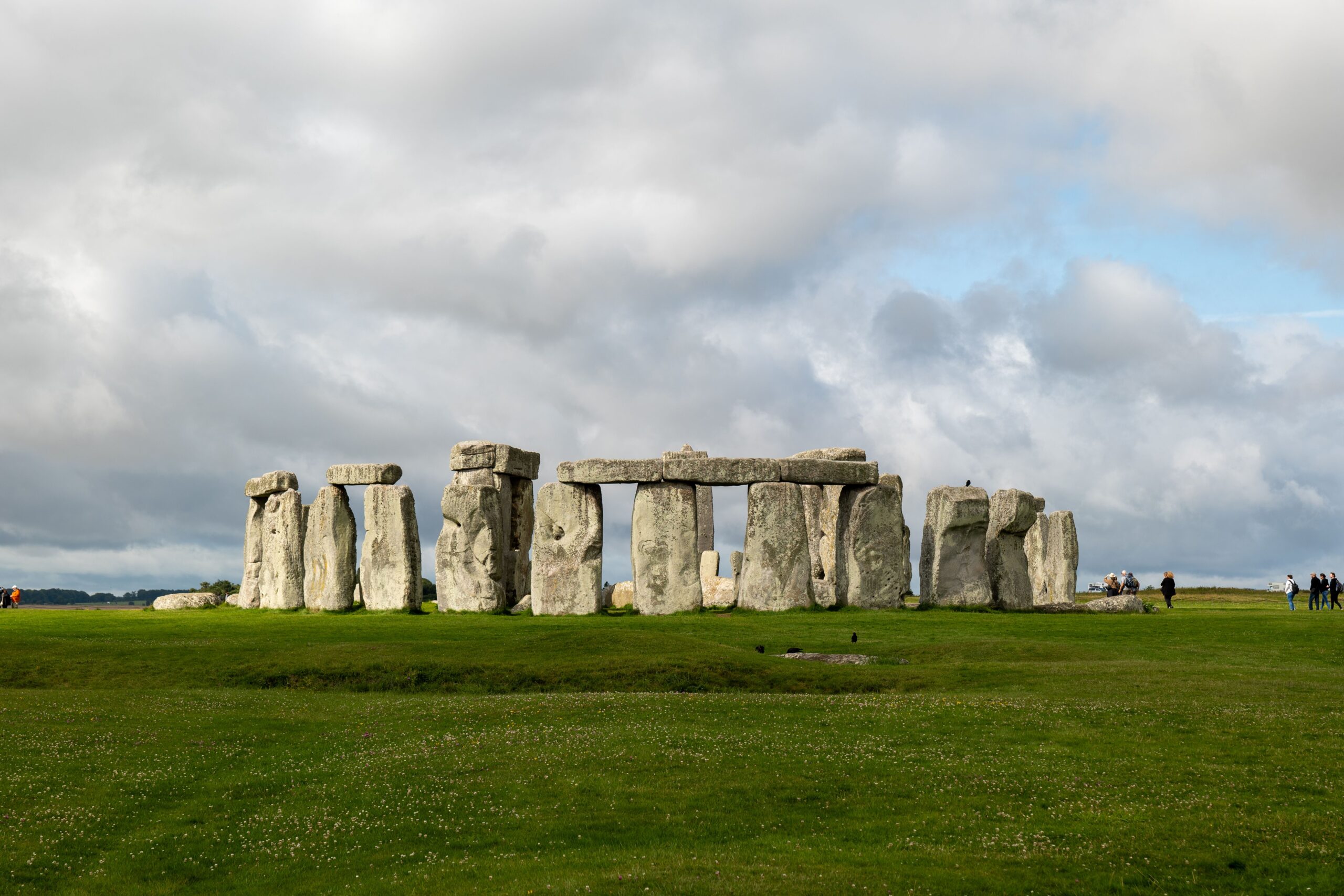
Some rides stay with you because of the miles. Others last because of the mood. This one began at a campsite near Stonehenge, under blue sky, with two Yamaha Teneres, a cheap overnight pitch, and no hurry to be anywhere.
That relaxed start shaped the whole day. Rich and Ewa left space for coffee on the grass, tiny lanes through Dorset, a locked village church, and a long stop at a motorcycle cafe where the parking lot changed as often as the conversations. By the time they rolled back toward Devon in the evening light, the day had turned into a reminder that the best motorcycle rides are often the simplest ones.
Why a simple motorcycle plan can lead to the best riding day
The day started at Stonehenge campsite, just off the A303, where they had paid only 20 pounds for the night. It was a pretty spot, and because the sun was out, leaving felt almost like a shame. That happens on motorcycle camping trips. You pack to move, then wish you could stay put a little longer.
Rich and Ewa are not rigid route planners. They joked about meeting someone who had mapped an entire two-week trip down to each stop and each distance. For some riders, that sounds perfect. For them, it sounds like work. A quick look at Google Maps, a saved pin for the Old Brewery Cafe and Kitchen, and a rough idea of direction were enough.
That loose approach changed the pace of the whole ride. There was no pressure to “make progress,” no feeling that every stop was stealing time from the real goal. The stop was the goal. The ride existed to create a day worth remembering, not to fill a checklist.
“It’s all about having fun and doing it the way you want it.”
The comfort versus convenience problem every camper knows
Minimalist motorcycle camping always asks the same question: what earns a place on the bike?
This time, the chairs didn’t make the cut. They were too bulky, so breakfast happened on the ground. That sounds minor until you’re standing around in the sunshine, wishing you had somewhere to sit with your coffee. Still, they knew the trade-off. Every extra item makes the rest of the day a little more awkward.
The same thinking showed up in their gear talk before setting off. They had been experimenting with Lone Rider auxiliary lights and liked the orange covers for visibility, especially because the triangular shape seemed to catch attention in traffic. At night, the full beam setting gave them the punch they wanted on dark lanes. They also admitted the lights were expensive, but that view came from experience. Cheaper AuxBeam lights had given them endless trouble, especially in rain, with water getting into the switches and the lights behaving erratically.
On a motorcycle, the wrong gear is never abstract. You feel it in your luggage, your comfort, and your confidence.
Why unplanned days often feel more memorable
A tightly managed day can be efficient. It is rarely generous.
Because Rich and Ewa kept the plan loose, the ride had room to breathe. They could linger at camp because they don’t have outdoor space at home and enjoy every chance to sit in the sun. They could leave close to noon without guilt. They could take a detour to stare at a church or crawl through a village at the speed of curiosity.
That freedom also sharpened the point Rich made later in the day. Motorcycles are not only about riding. They are about what riding gets you. A bike can take you out of a flat and into a field. It can take you to a cafe where strangers become company. It can turn a coffee stop into the center of the day.
The best rides often work like that. They feel full without ever feeling busy.
Stonehenge, quiet lanes, and the England most riders hope to find
Leaving Stonehenge behind, they chose the smaller roads over the fast obvious ones. That decision changed everything. The A303 would have been quicker, but speed was never the point. Southbound on the back roads, the ride began to look like the version of England most riders hope to find, narrow lanes, old stone, church towers, hedges, and villages that seem to appear one bend at a time.
The route also carried a hint of yesterday’s ride around Salisbury Plain, where they had gone off-road. Ewa noticed every byway sign now. Once you start spotting those routes, the map changes in your head. Even on a day that stays on pavement, the idea of gravel and green lanes hangs in the air.
That is part of the charm of this stretch. It mixes main-road access with a maze of minor lanes, so you can move between well-known places and hidden ones without much effort. That same blend is why wider west-country trips keep pulling people back, as seen in this Stonehenge, Devon, and Cornwall route.
Small villages that reward slow travel
The villages were a large part of the day’s appeal. Farmhouses sat back from the road. Church spires rose above clusters of stone buildings. Garden walls, narrow lanes, and old houses gave each place a sense of calm that disappears on faster roads.
At one point, they rode through Gillingham and admired the homes around them. Ewa drifted into the kind of daydream these places encourage, tea, cake, and a long afternoon in a village cafe. Later, another stop brought them past a house called The Manor, with the sort of grounds that make you stare for a second too long as you roll by.
These are not headline destinations. That is why they matter. On a motorcycle, especially on small roads, the day fills up with places you never planned to visit and still don’t want to forget.
Why the hedges and narrow roads shape the ride
English back roads have a look of their own. Tall hedges crowd the lane. The view opens and closes in quick flashes. One moment you are in green shadow, the next you are looking across fields toward a church or a hill.
An American viewer had asked why so many British roads are lined with hedges on both sides, almost like tunnels. Rich admitted he had never really questioned it. He only knew that it gives the ride a certain feel, enclosed, quiet, and a little secretive. The trade-off is obvious. Some of the best views stay hidden until the road decides to reveal them.
Still, that pattern is part of what makes riding in southern England distinct. You do not float across the landscape here. You move through it in narrow slices.
The church stop that turns into a history lesson
One of the day’s best stops came from simple curiosity. They spotted a church, pulled over, and walked up to see if the door was open. It was locked, but the place still held them.
A sign suggested the church dated from around 1230 or 1240. There was mention of a 50-pound grant in the 1870s for reseating and restoration. Around the building lay an old graveyard, with weathered stones that were hard to read, some from the 1800s, some much newer. Ewa noted how burials nearer the church could once reflect higher status. Rich looked at the building and saw what many riders feel in these moments: this is the England people imagine when they picture the countryside.
The mood was mixed. The site looked worn, perhaps still in use, though lightly cared for. That raised a harder thought. If fewer people attend churches, how do places like this survive? The stop lasted only a few minutes, but it gave the day weight. Small roads do that. They give you the chance to brush against history without planning it.
The Old Brewery motorcycle cafe shows what bike culture does best
After the lanes and village stops, the social heart of the day arrived at the Old Brewery Cafe and Kitchen. Even the parking mattered. They were directed around the back, which suited them perfectly because the bike carried luggage and felt safer among other riders than out on the road.
The cafe was not packed when they arrived, but that almost helped. It gave them time to wander the lot, inspect the bikes, and settle in. Then the flow of people did what bike cafes always do. Riders arrived. Others left. Conversations started before anyone tried.
Inside, Rich ordered a pork and apple cider sausage roll from the specials board. Ewa went for cake and claimed not to be hungry. Rich predicted, with the confidence of experience, that half his food might disappear across the table. The meal was simple, the sort of lunch that works better because it comes after a ride and before another one.
What makes a motorcycle cafe different from an ordinary stop
The difference is not the coffee. It is not even the food.
A good motorcycle cafe gives riders a reason to stop without needing a reason to explain themselves. Everyone has already done the introduction. The bikes did it in the parking lot. That makes the conversation easy. People talk about tires, routes, luggage, old trips, new plans, and machines they still regret selling.
Rich put it well after chatting outside. Everyone is interested in everyone else. That is what lifts a biker cafe above a standard roadside stop. You come in for a coffee and leave with half a dozen conversations.
For riders visiting England, places like this are a big part of the appeal. Even the growing market for England bike tours speaks to the same pull, small roads, good scenery, and stops where motorcycles are the shared language.
The bikes in the parking lot tell their own story
The lineup gave the place its texture. There was an old Triumph that caught the eye at once, plus a Kawasaki 650 with altered bars, a Royal Enfield Continental GT, BMWs, and a Rocket 3 R. Rich and Ewa also spotted a Triumph Speed 400, a model they had both ridden before and rated well for its price and power.
Later, the lot changed again. A Ducati appeared, along with a Suzuki GS550 and a Moto Guzzi Norge that they had just been discussing with another couple inside. The Norge, with its shaft drive and touring purpose, made immediate sense to them as a practical long-distance machine. There was also an older Honda Super Four 550 in beautiful condition, the kind of bike that makes you happy simply because someone still cares enough to keep it right.
One conversation even turned practical. A motocross rider looked at Rich’s tires and quickly explained why the solid center strip would struggle in mud. That was useful because it confirmed what Rich had already suspected after slipping around off-road. More knobby rubber had moved from idea to likely upgrade.
Why riders stay longer than they mean to
They went for a coffee. They left at 3:30, when the cafe shut and the parking lot had emptied.
That tells you nearly everything. Good weather helped. So did good food. Yet the real reason was the same one that keeps riders lingering after the engine goes cold: the stop had turned social. Sitting inside had cost them a sunny outdoor table, but it had bought them conversations with “many people,” and that felt like the better deal.
Being the last to leave became a theme for the day. They had done it at the campsite in the morning and repeated it here in the afternoon. Some riders count a successful day by distance. Rich and Ewa counted it by how long they wanted to stay.
What this ride says about motorcycle life in the UK
The ride back toward the southwest widened the picture. Rich and Ewa both felt that the UK has one of the strongest motorcycle scenes around, especially in summer. Bike nights, cafe meets, weekend events, and informal gatherings give riders endless excuses to get out. The scale may differ from the huge meets people picture in the US, but the warmth is hard to miss.
That culture sits against a landscape made for wandering. The same country that frustrates people with rain, hedges, and cramped roads can feel almost perfect when the sky clears. On days like this, the lanes look brighter, the villages feel softer, and the ride seems to stretch time.
How the weather changes the whole mood of the ride
Sunshine changed everything.
Rich joked that he is solar-powered, but the comment carried some truth. Good weather lifts the roads and the riders at the same time. The campsites feel better. The cafe stop lasts longer. Even the evening return gains something when the light turns warm and the traffic starts to thin.
Near 6:00 p.m., Rich called it his favorite time to ride. There was still plenty of daylight, but the roads had gone quiet. That calm often gives the final hour of a ride more pleasure than the busy middle of the day.
Ewa felt it too. She described the outing as close to a perfect day in the English countryside. With the sun out, it is easy to see why.
Why bikes are as much about people as miles
The social side did not stop at the cafe. Later, in Chard, they squeezed into a Costa Coffee stop with only five minutes left before closing. Even there, the bikes drew attention. Passersby noticed them, asked questions, and turned a quick drink into another stretch of conversation.
Then came Rod and his immaculate Yamaha RD250. He had stopped across the road, invited them over, and started telling stories. He had owned old bikes for decades, including a BSA Starfire from his teens. He split his life between the UK and Borneo, carried a new old stock fuel tank back through Kuala Lumpur, stripped and repainted it to match the bike, and kept the machine looking far younger than its years.
“All you need to do is stop for a minute and you’ll always meet somebody interesting.”
That line summed up the day. Motorcycles create motion, but they also create contact.
Old bikes, practical gear, and the beauty of keeping things going
Rod’s RD250 had only 16,000 miles and wore 25-year-old Metzeler tires, a detail that made Rich wince even as he admired the bike. Rod was honest about it. He does not ride it hard, does not take it far, and avoids wet roads. The whole exchange had the tone that good bike conversations often do, part admiration, part practical concern, and all affection.
There was another practical note before the day ended. Ewa talked about her jacket, its vent zippers, and the relief of getting more airflow when the day warmed up. She also made a point many women riders will know well: motorcycle gear still fits men better than it fits many women. Even when a jacket is good, it may still fall short of ideal.
That mix of old bikes, imperfect gear, and honest talk is a large part of what makes motorcycle life feel real. Nobody needed a pristine day or flawless equipment to enjoy it. They only needed a bike, a stretch of road, and the willingness to stop.
A perfect ride can be small
This ride had no grand target and no dramatic mileage figure. It had a campsite near Stonehenge, coffee in the sun, village lanes, one old church, one busy biker cafe, a late Costa stop in Chard, and the soft evening light on the way home. That was more than enough.
The lasting message is simple. A perfect English motorcycle ride does not need a huge budget, a packed itinerary, or some famous pass at the end of it. It needs time, decent weather, good roads, and the habit of pulling over when something catches your eye.
The big trips matter. So do the small rides that turn into full days for no grand reason at all.