Four days after their wedding, Jan and Ann were back in the place that always seems to pull them in, Tokyo. This time, they weren’t traveling alone. They had the whole family with them, which gave the trip a louder, fuller, more joyful kind of energy.
If you’re planning a week in Tokyo, this kind of trip shows what the city does so well. One day can begin with oysters at a market, drift through giant shopping streets, turn rainy and ramen-filled, then end with bright arcade lights. That rhythm starts on day one.
Why Tokyo feels unforgettable from day one
The city’s energy shifts by neighborhood
Tokyo doesn’t hit you with one single mood. It changes block by block, and that’s a big part of why it stays with people.
At Tsukiji, the city feels packed and loud, with seafood stalls, sweet shops, and people moving in every direction. A little later in Ginza, the pace turns polished and open, especially when the road is closed to traffic and the whole district feels like a wide outdoor walkway between tall buildings.
Then Akihabara brings back the noise. Screens flash, arcades spill onto the street, and even old gaming hardware feels like treasure behind glass. Harajuku pulls the mood sideways again, with snack stops, character stores, themed shops, and fashion that feels playful without trying too hard.
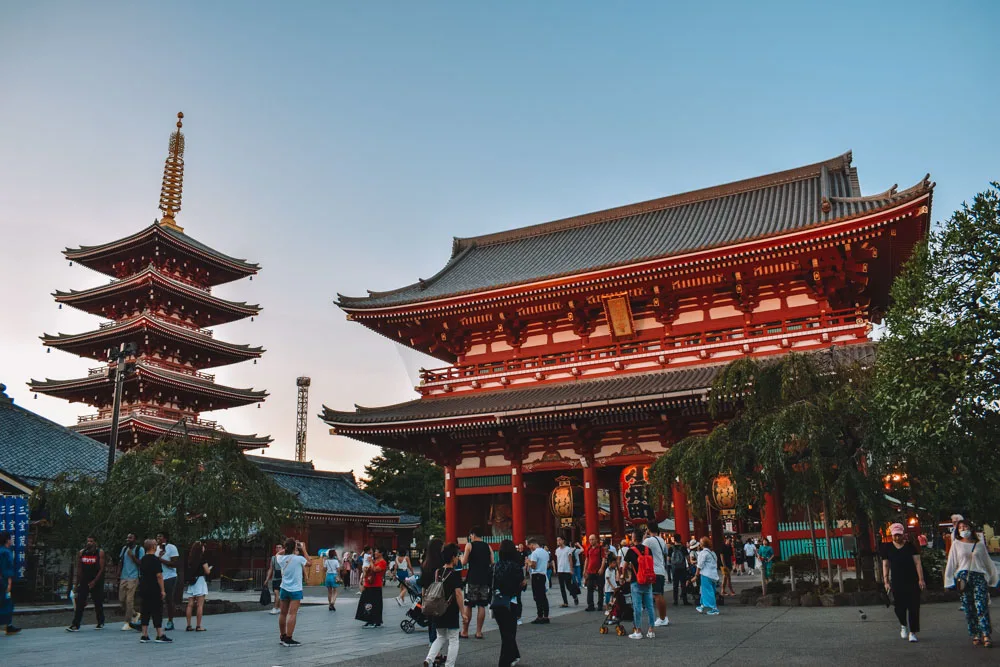
Even a temple walk can reset the day. One moment you’re in a crowd, the next you’re near a quieter path with a slower step and a different kind of air. Tokyo makes those shifts feel normal.
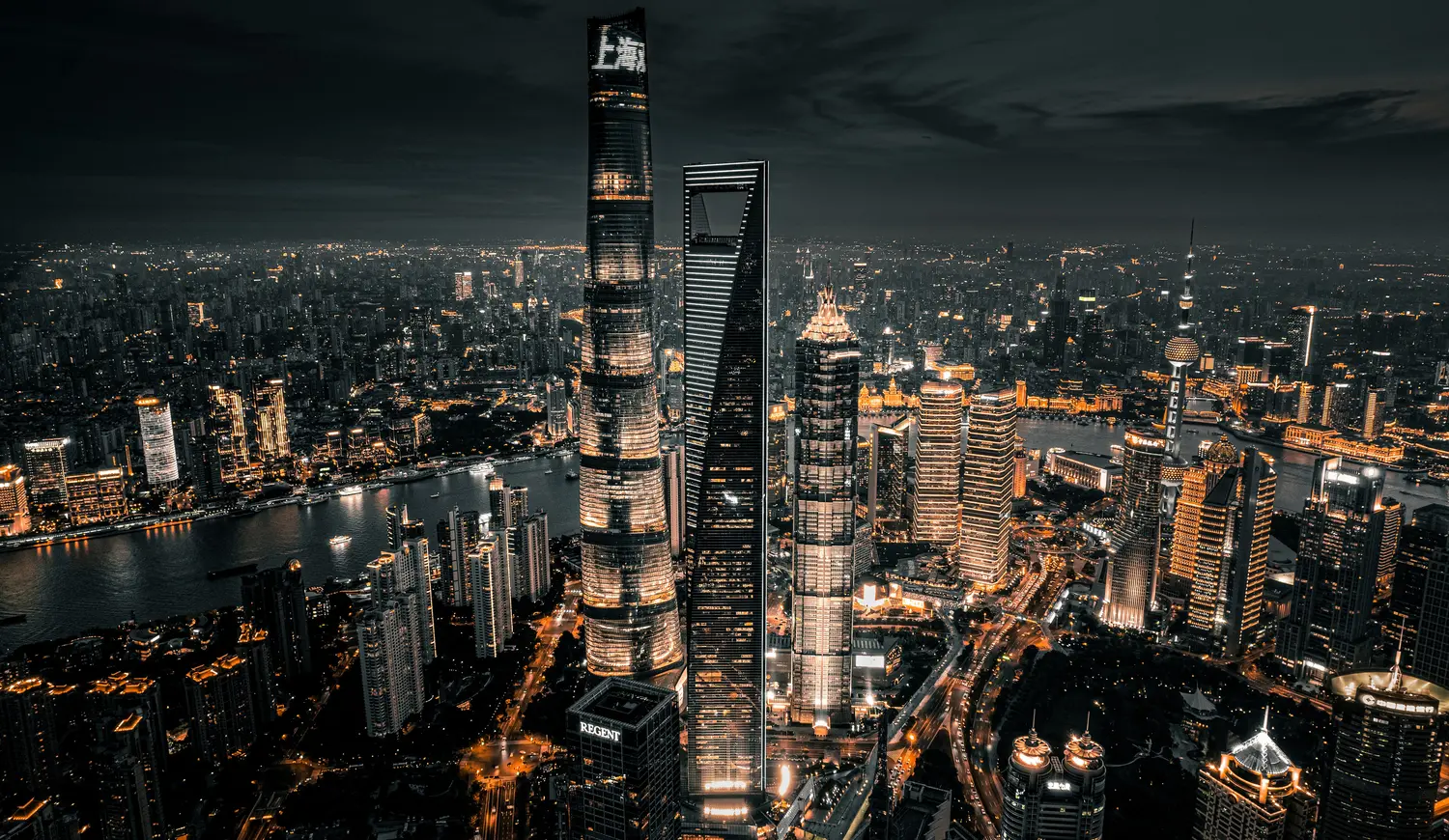
If the city streets start to feel dense, another side of Tokyo opens up through the Asakusa to Odaiba water bus experience. It shows the skyline from the water, which fits the same old-meets-futuristic feeling that runs through the whole city.
Why a 7-day stay works so well
A week is a sweet spot for Tokyo because the city rewards variety more than speed. In seven days, there’s time for market mornings, shopping neighborhoods, comfort-food lunches, a Disney day, and a full Mount Fuji trip without turning the whole vacation into a checklist.
That matters even more with a large family. Meals take longer to organize, transit takes more thought, and bar-style restaurants don’t always seat everyone together. On this trip, that meant some people ate first while others waited outside, then the group moved again.
Still, seven days gave the trip room to breathe. It didn’t feel rushed, and it didn’t drag. Tokyo is huge, but it reveals itself best in pieces.
A food-first look at Tokyo’s best morning and lunch stops
Start at Tsukiji Market for fresh bites and busy stalls
The first stop was Tsukiji Market, and it set the tone fast. Busy sidewalks, seafood on display, shiny fruit, snack counters, and the kind of crowd that makes a Saturday feel even tighter than usual.
There was plenty to look at before the first real bite. Melons sat out like luxury items, with one priced at about $47, a reminder that even fruit can feel extravagant in Japan. But the main draw was seafood. Oysters, sea urchin, sashimi, and squid were the reasons to come early and start hungry.
A stop at Sushi Zanmai brought out more of what makes Tsukiji memorable. The squid disappeared quickly, especially for family members who had been craving it. Then came the king crab, priced at 6,500 yen, hot from the shell and packed with sweet, juicy meat that felt worth the splurge once everyone took a bite.
The surprise favorite came at the end. After plenty of seafood, the matcha ice cream stole the show. They’ve had lots of matcha soft-serve before, but this one stood out enough to stop the whole group in its tracks.
Why local comfort food hits hardest on cold or rainy days
Tokyo food changes with the weather. On a warm day, you can graze your way from one neighborhood to the next. But once the rain rolls in and the air turns cold, the city starts calling for broth.
That shift showed up twice on this trip. First, there was a stop in Ginza for tsukemen, the style of dipping noodles that feels rich, filling, and a little addictive once you get used to it. The meal came with one of those classic Tokyo trade-offs, great noodles but tight seating, because many noodle shops are built around a bar counter rather than big tables.
Later, when the rain got heavier, Ichiran made perfect sense. A hot bowl of ramen on a gray, wet afternoon can reset your mood faster than almost anything else. The broth warms your hands, the noodles slow you down, and the noise from outside disappears for a while.
That is one reason Tokyo is such a strong food city. The meals match the moment.
Tokyo works best when you eat in layers, market breakfast, noodles when the weather turns, then snacks wherever the next neighborhood pulls you.
Easy snacks worth stopping for between neighborhoods
Some of the most fun food on this trip wasn’t a full meal. It was the small stuff eaten while walking.
In Akihabara, fresh daifuku made a strong case for stopping mid-stroll. The strawberry filling tasted bright and sweet, and the softer bean-filled version had that classic chew that makes mochi easy to keep reaching for. Later, near Mount Fuji, grilled mochi filled with red bean added warmth and a slight toasted flavor that changed the experience without losing what makes mochi good in the first place.
Convenience-store food had its moment too. Back in Harajuku, Famichiki from FamilyMart hit the spot when the family needed something quick. It was simple, hot, and satisfying, which is often all a travel day needs.
There were also drinks and sweets that felt tied to the places around them, peach green tea in Oshino Hakkai, roasted Japanese sweet potato, and another wave of soft-serve cravings after the matcha high at Tsukiji. Tokyo keeps rewarding people who snack their way through the day.
Shopping streets and pop culture spots that make Tokyo so fun
Ginza for wide streets and polished shopping
After Tsukiji, the move to Ginza changed the whole feel of the day. The streets opened up, the buildings rose higher, and the city looked cleaner and calmer without losing its scale.
On that Saturday, the road was closed to cars, which made the district feel even better. Walking down the middle of the street, surrounded by giant buildings, gave Ginza a rare sense of space that isn’t easy to find elsewhere in Tokyo.
The appeal wasn’t only about luxury shopping. It was the atmosphere. Ginza felt ordered, bright, and a little dramatic in a quiet way. Even if you weren’t buying much, it was the sort of place where strolling felt like the activity.
Loft for quirky finds and Japanese souvenirs
Loft was one of those stops where the plan was loose, but the fun came fast. Since Jan and Ann had recently moved in together, browsing home goods and small decor pieces felt more personal than random souvenir shopping.
That made the store’s mix especially good, useful objects, odd gadgets, cute accessories, and a few handcrafted items expensive enough to stop you cold. A couch-sized piece of decor priced at 20,000 yen got a quick laugh, even if the craftsmanship was real.
Elsewhere in the store, the joy came from smaller things. A retro-style phone handset for a smartphone felt pointless and hilarious at the same time. A jewelry box that doubled as a speaker was the kind of discovery that made everyone pause. Blind-box collectibles added another small jolt of fun, especially when one person pulled the figure they had hoped for.
Loft works because it doesn’t feel like one kind of store. It’s part home section, part stationery heaven, part gift shop, part chaos.
Akihabara and Harajuku for games, nostalgia, and character shops
Akihabara still looked electric, but it also felt more crowded than before. That didn’t take away from the appeal. It only made the district feel more intense.
There were retro Game Boys on display for around $200, which says a lot about how nostalgia ages in Japan. Old games aren’t treated like junk here. They’re treated like objects worth preserving, pricing, and admiring.
Then came the arcade stops, especially at Gigo, where claw machines turned into mini dramas and almost-wins felt as entertaining as the prizes. That playful feeling carried into Harajuku, where the streets shifted from games to style, snacks, and character goods.
Takeshita Street still had that restless, youth-heavy pulse, but the standout stop was the large Harry Potter store. Inside, it felt part retail space and part attraction, with moving details, magnets, themed merch, chocolate frogs, butterbeer, and Harajuku-specific items that made the shop feel rooted in Tokyo rather than copied from a park.
There was even a nostalgic Tamagotchi purchase, the sort of thing that instantly pulls a person back to childhood. Tokyo does that well. One minute you’re staring at a GT-R on the street, the next you’re feeding a tiny digital pet on a keychain.
The Mount Fuji day trip that changes the pace
Oishi Park and the changing view of Mount Fuji
After several city days, the Mount Fuji trip changed the air completely. The family took a bus because there were 14 of them, and the drive alone signaled a different kind of day.
At Oishi Park, the flowers were in bloom and the paths felt wide and calm. It was easy to see why the area draws so many visitors. The problem was the mountain itself. Mount Fuji stayed buried behind clouds for most of the stop, showing only hints of what should have been there.
Still, the park didn’t feel wasted. The gardens were beautiful, the walk was easy, and the mood softened in the best way.
Lunch helped too. Near Lake Kawaguchiko, the group sat down for a reserved meal for 26 people. Hot noodle sets, soup, vegetables, and even fried smelt made the meal feel hearty and well-timed, especially with one person still recovering from the stress crash that followed months of wedding planning.
Oshino Hakkai for clear water and village charm
Oshino Hakkai slowed the day even more. Traditional buildings, green surroundings, wooden bridges, and crystal-clear ponds gave the area a village feel that stood in sharp contrast to central Tokyo.
The water was the star. It was so clear that the fish below looked almost unreal, including a huge trout resting near the edge. The air felt fresher there, and the whole stop had the kind of calm that makes people lower their voices without meaning to.
Food slipped back into the picture in the nicest way. Grilled mochi with red bean was warm and slightly smoky. Peach green tea felt cold and refreshing. Roasted Japanese sweet potato added one more small comfort before the group kept moving.
Chureito Pagoda for the famous Fuji view
Chureito Pagoda brought the workout. The group had about 30 minutes and roughly 400 steps to get up, take in the view, and come back down.
That climb is part of the memory. By the time they reached the top, the view was already doing its job. The pagoda stood in front of a broad cityscape, and you could tell why this is one of Japan’s most photographed spots.
The clouds still refused to cooperate, so Mount Fuji remained hidden behind the haze. Even so, the stop mattered. Some views stay impressive even when the postcard version doesn’t show up.
How Tokyo DisneySea fits into a grown-up family trip
Why Fantasy Springs became the must-see stop
No Tokyo trip for Ann was going to end without Disney, and Fantasy Springs was the clear first stop once they arrived.
The area looked storybook-perfect. Details pulled attention in every direction, from character touches like Pascal to the layered design that made the whole place feel built for wandering as much as riding anything. Adults notice that stuff too. In some ways, they notice it more.
Fantasy Springs had the kind of atmosphere that made the family slow down, point things out, and take their time.
The rides, snacks, and shopping that fill the day
The park day wasn’t all about chasing thrill rides. Peter Pan stood out as one of the bigger ride moments, especially with its 3D effects, while a gentler boat ride made sense for parents who wanted a break and a seat.
That balance gave the day its shape. There was a parade when they arrived, a turkey leg later on, time in line, little jokes between family members, and then the night show building toward the end of the evening.
Disney worked here because it matched the rest of the trip. It wasn’t separate from the vacation’s mood. It was another version of it, colorful, shared, a little nostalgic, and full of side moments that mattered as much as the headline attractions.
Souvenirs that feel home-ready instead of touristy
The best shopping moment came near the end, when they found decorative rock-style Disney pieces outside Fantasy Springs. Each one cost about $20, or all three could be bought together for around $60.
What made them appealing was their look. They didn’t scream souvenir. They looked like shelf decor that could still make sense back home, which mattered more now that Jan and Ann were newly married and thinking about the home they were building together.
That same thinking showed up again with keychains. Instead of buying random trinkets, they picked pieces that felt sweet, practical, and giftable, including a set for their parents.
Practical details that make a Tokyo trip easier
Staying connected and staying together
For a large-group trip, mobile data matters fast. Maps, translations, meeting points, restaurant lookups, and ride arrangements all get easier when everyone’s online the moment they land.
The trip highlighted an offer from Bitrefill’s eSIM deal, which gave first-time users 90% off one 1GB, 7-day eSIM with code JANANNROAM. The offer excluded the Global plan, was limited to the first 50 redemptions, and was valid until June 30, 2026. The same setup also lets travelers top up later, which helps on longer days.
A private van also made sense for the Mount Fuji outing because moving 14 people by train all day would have changed the rhythm of the trip.
Where the family stayed and how to shape your own week
For the Tokyo stay, the group recommended Kameido Saryo’s official site, a whole-house option that fits up to 13 guests. It has four bedrooms, two bathrooms, and one of the biggest perks in Tokyo, a station only a two-minute walk away.
That location mattered because the house was also close to restaurants, bars, and convenience stores. In a city where people leave early and come back late, those small location wins add up.
If you’re building your own version of this trip, it helps to compare a few routes first. This one-week Tokyo itinerary and this Tokyo 7-day itinerary show how different a week can look, even before you add a Fuji day or Disney stop.
Final thoughts
A week in Tokyo can hold a surprising amount without feeling overstuffed. This trip had market seafood, rainy-day ramen, Ginza walks, arcade nostalgia, a cloud-covered Mount Fuji, village calm, and a Disney finish that still felt right for adults and families alike.
That’s the city’s real trick. Tokyo never feels like one thing for long, and that’s why people keep coming back. Even when the mountain hides behind the clouds, the trip still feels full.