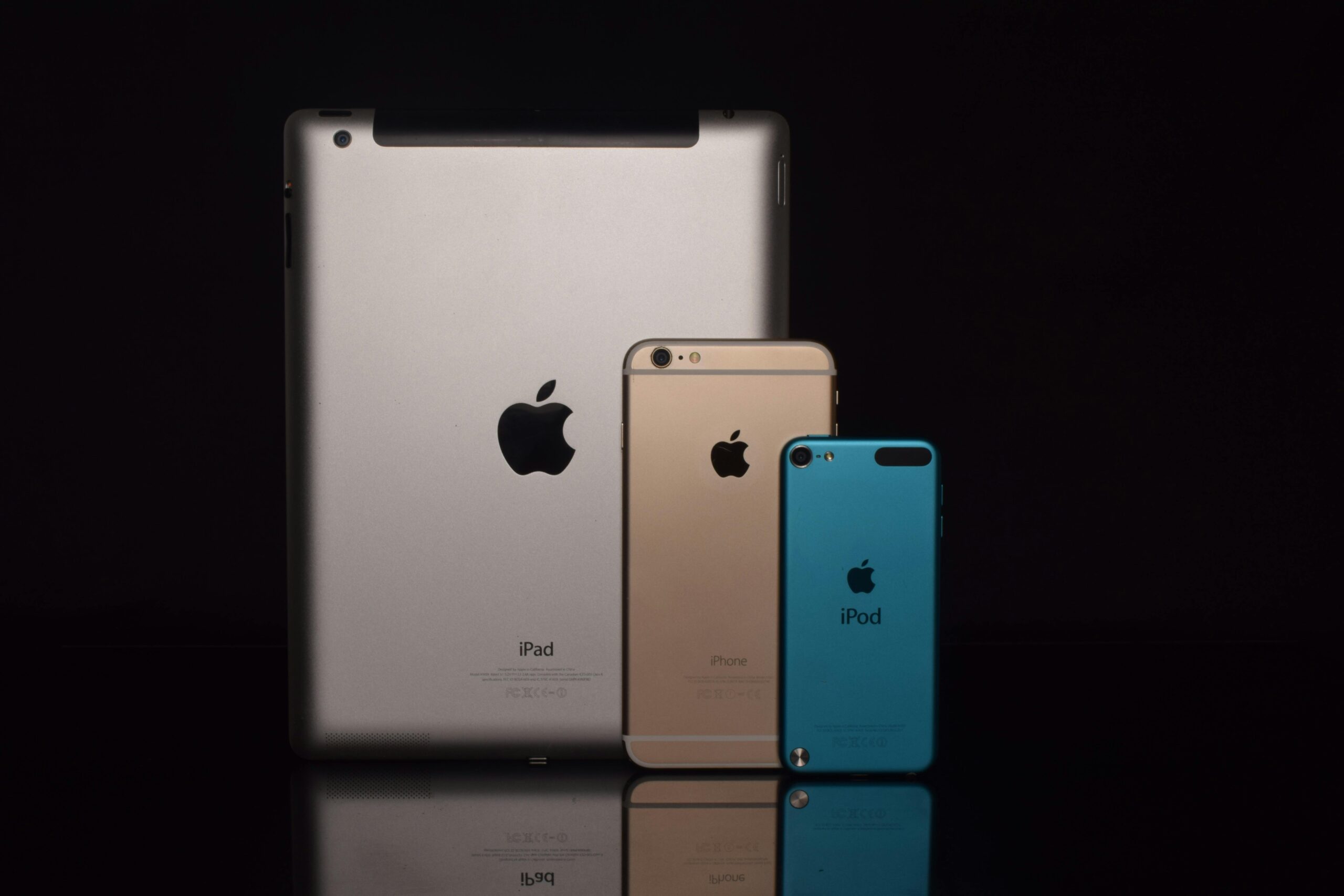
Apple’s 2026 lineup still looks packed. If the current leak cycle is close to right, 15 more Apple products could arrive before the year ends.
Some look close enough for WWDC, others fit the usual September and October windows, and one may only get a preview this year. The common thread is hard to miss, more RAM, newer chips, better wireless hardware, and devices built with Apple Intelligence in mind. Start with the products that could land first.
Apple’s 2026 hardware roadmap at a glance
The latest rumor wave points to a year that stretches far beyond the iPhone. The list includes a low-cost iPad, refreshed Macs, smart home gear, a foldable iPhone, new wearables, and a first look at Apple’s smart glasses. Much of this picture lines up with Max Tech’s leak roundup, although launch timing could still move around.
Here’s the short version of what’s still expected.
| Product | Main rumored change | Expected timing |
|---|---|---|
| 12th-gen iPad | A18 chip, 8GB RAM, Apple Intelligence support | WWDC or soon after |
| M5 Mac mini | M5 and M5 Pro options, major graphics gains | WWDC |
| Apple TV 4K | A17 Pro, 8GB RAM, Wi-Fi 7, Bluetooth 6 | WWDC |
| HomePod mini 2 | New colors, better speakers, newer chip | WWDC period |
| Smart home hub | 7-inch display, Face ID, camera, homeOS | WWDC or September |
| iPhone 18 Pro | Smaller Dynamic Island, A20 Pro, better camera | September |
| iPhone 18 Pro Max | Same core upgrades as Pro | September |
| Foldable iPhone Ultra | Book-style foldable design, A20 Pro | September |
| iPad mini 8 | OLED display, redesign, A19 Pro | September |
| Apple Watch Series 12 | S12 chip, updated sensors and wireless | September |
| Apple Watch Ultra 4 | Thinner redesign, new health sensors | September |
| AirPods Ultra | Cameras in each stem for AI context | September |
| M5 Mac Studio | M5 Max and M5 Ultra, faster SSDs | October |
| M5 iMac | M5 chip update, faster storage | October |
| 14-inch M6 MacBook Pro | Base M6 model on 2nm process | Late 2026 |
The roadmap feels busy, but it also feels focused.
Apple appears to be moving more of its lineup toward AI-ready hardware, not only with faster chips, but with more memory and stronger wireless support.
The first wave could hit around WWDC
Budget iPad, Mac mini, and Apple TV 4K
The base iPad looks overdue. The leak points to an A18 chip, up from the current A16, plus 8GB of RAM instead of 6GB. That matters because Apple Intelligence features are far more realistic on hardware with extra memory, and MacRumors’ iOS 27 leaks report suggests WWDC could put more attention on that software push. If the price stays flat, this may end up being one of Apple’s easiest upgrades to recommend.
The Mac mini could be the sleeper hit of the first half. The M5 jump is said to improve single-core, multi-core, and graphics performance, with the strongest gains tied to AI and GPU-heavy work. A Mac mini with an M5 Pro, and as many as 18 CPU cores, would turn Apple’s smallest desktop into a serious workstation for code, video, and 3D work.
Apple TV 4K may get one of the most practical upgrades on this list. An A17 Pro chip, 8GB of RAM, and support for ray tracing would make gaming smoother and give the box more headroom overall. The rumored N1 wireless chip, with Wi-Fi 7 and Bluetooth 6, also points to a less finicky experience in crowded homes where streaming boxes, speakers, and smart home accessories all fight for bandwidth.
HomePod mini 2 and the new home hub
HomePod mini 2 sounds modest, but the changes are easy to like. The design should stay close to the current model, while new colors, revised speaker drivers, and a jump from the old S5 chip to either an S9 or S10 give it more life. The rumored U2 chip could also improve Handoff, which is one of those small Apple features that feels great when it works fast. Wireless hardware may not change much, though, since this model is still said to use a Broadcom solution rather than Apple’s N1 chip.
The bigger story is the smart home hub, sometimes described as a home command center. Picture a 7-inch display that looks a lot like a small iPad, but built for the kitchen wall, an entryway, or a speaker dock. Face ID could recognize different people in the house, while a camera with Center Stage would keep video calls framed as you move.
If Apple ships it with a dedicated homeOS, the hub could become the missing link between HomeKit controls, security camera feeds, intercom use, and light media playback. A September release still seems possible if WWDC slips by without hardware, but this product feels close enough to matter now.
September could bring the biggest Apple launch of the year
iPhone 18 Pro, Pro Max, and the foldable iPhone Ultra
The iPhone 18 Pro and Pro Max are said to keep the current design language, but the front may change in a way you’ll notice every day. The Dynamic Island is expected to shrink, which gives the display a cleaner look without a full redesign. Inside, the bigger jump could come from the A20 Pro, described as Apple’s first 2nm chip from TSMC. That should help speed and battery life at the same time.
Camera rumors are stronger than usual here. The main sensor could gain a variable aperture, which would give Apple more control over light and depth in different scenes. Add a 24-megapixel front camera, and the Pro lineup starts to sound like a camera-focused update even before software does its part.
Cellular changes may be just as important. The leak points to a new C2 or C2X modem that finally replaces Qualcomm in the iPhone Pro range, with mmWave 5G support and even broader satellite connectivity. If that last part holds up, satellite on the iPhone would move past emergency use and become something closer to regular service in limited situations.
Then there’s the foldable iPhone Ultra. This is the product that could steal the whole event. The design is said to be shorter than a Pro Max when closed, which would make one-handed use easier. Open it, and the screen grows to nearly iPad mini size. The hinge is rumored to use liquid metal, with Apple chasing a display that looks nearly crease-free.
The trade-offs are interesting. Reports point to a thick rear camera bump, top-tier camera hardware, and a big battery between 5,400mAh and 5,800mAh. Face ID may disappear in favor of Touch ID, which would be a surprising turn on such an expensive phone. The starting price, around $2,000, would put it in a different class from the rest of the lineup.
iPad mini 8 and the next Apple Watch updates
The iPad mini 8 may be the nicest surprise of the September group because the rumored changes go well beyond a chip swap. The display is expected to move to OLED, which would improve contrast and color, while thinner bezels could push the screen into the 8.5-inch to 8.7-inch range. There is also talk of a faster refresh rate, maybe around 90Hz, which would make the mini feel much less stuck in the past.
Audio could change in a strange but useful way. The rumor says Apple may switch to vibration-based speakers, which would remove visible speaker grilles and help water resistance. Pair that with an A19 Pro chip, 12GB of RAM, and the N1 wireless chip, and the iPad mini starts to look less like a side product and more like a compact power device.
Apple Watch Series 12 sounds far calmer. The design may stay put, while the S12 chip and a newer wireless chip, either W4 or N1, improve efficiency and connectivity. Sensor updates are expected too, but this looks like a refinement year rather than a reset.
The Apple Watch Ultra 4 could go further. Current rumors point to a thinner case, a new eight-sensor array, better battery life, and a more advanced blood pressure feature. The leak also mentions possible satellite support on 5G, which would fit the Ultra line’s outdoors angle if Apple can make it work reliably.
AirPods Ultra could start a new kind of wearable
AirPods Ultra may sound strange at first, because the headline feature is cameras in each stem. The idea is not that you’ll use them like tiny action cams. The leak says those cameras would feed visual context to Siri, so Apple’s assistant can answer questions about what is around you without needing you to hold up your phone.
That could matter most for accessibility. The feature echoes Apple’s own demo of Apple Intelligence-powered visual assistance, where a blind user asks Siri about the world in front of her. With AirPods Ultra, that kind of help could happen hands-free. Pricing is said to land around $300 or a bit higher, which would place them above today’s AirPods Pro and far closer to a new category than a simple audio upgrade.
Fall may belong to the Macs
If WWDC stays focused on software, October could become the release valve for Apple’s desktop and pro notebook plans. Another summary of the same rumor wave, this 2026 Apple hardware roundup, also points to Macs slipping into the fall.
The M5 Mac Studio is the heavy hitter. The outer design and port layout should stay the same, but the internals could jump in a big way, with faster PCIe 5 SSDs, the N1 wireless chip, and two high-end options, M5 Max and a new M5 Ultra. The top version is said to reach a 36-core CPU and 80-core GPU, with up to 256GB of RAM. That kind of memory would make local AI work much more realistic for people running large models at home or in a studio. The only catch is storage. Apple may drop lower-capacity base models and nudge the starting price up through configuration, not sticker price.
The M5 iMac sounds simpler. Expect the same design, the same overall feel, and maybe even the same colors. The gain is the M5 chip, plus faster SSDs. There is also talk that Apple could trim the cheapest storage option here too.
Then comes the base 14-inch M6 MacBook Pro. If the timing holds, it may be the first Mac on Apple’s 2nm GAAFET process. The leak points to a large jump in CPU and GPU performance without changing the chassis or price, which is said to stay at $1,699. One other note matters if you’re waiting for a redesign, OLED MacBook Pro models are now said to be pushed into early 2027.
Apple’s smart glasses may get a 2026 preview
The last product on the list is the one with the longest runway. Apple’s smart glasses may be unveiled in October or November, but the leak says shipping would wait until 2027.
The design is expected to use thin glass frames, with one camera or a camera on each side. In daily use, they sound a lot like the AirPods Ultra idea stretched across your face, visual context for Siri, voice-based help, and AI features that understand what you’re looking at. The difference is that the glasses may also let you press a button to capture photos or videos, much like Meta Ray-Bans do now. Bone-conduction speakers are also part of the rumor, which would let you hear responses without filling the room with audio.
If that description holds up, these glasses are not the full AR dream yet. They are the bridge product before Apple’s future display-equipped glasses.
Final thoughts
If even most of these leaks land, Apple still has a packed second half ahead. The strongest pattern is not any one product, but the push toward more capable hardware for AI, cameras, and wireless features.
The foldable iPhone, the smart home hub, and the smart glasses preview are the devices that feel new. Everything else looks like Apple building a wider runway for what comes next.