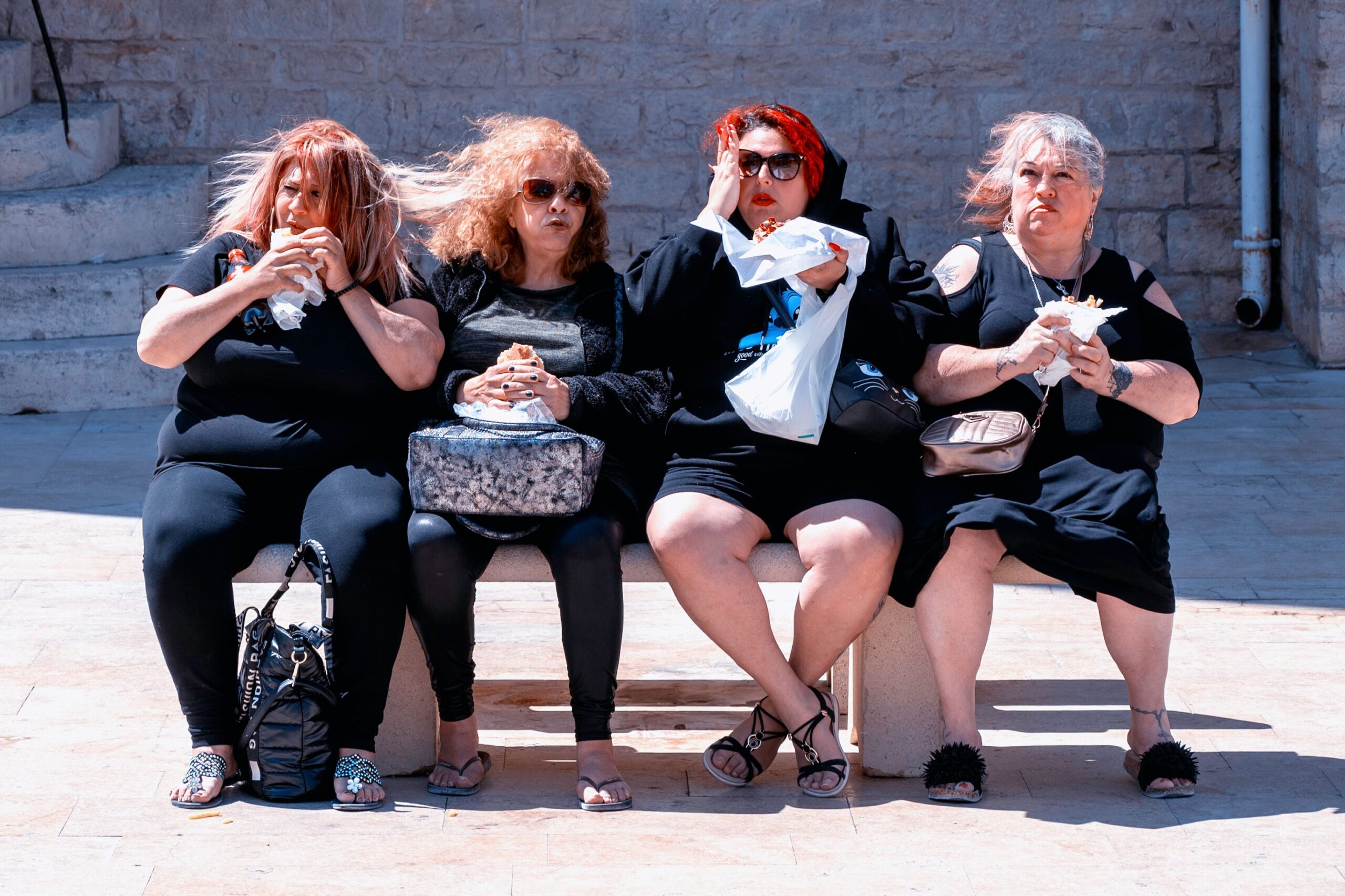
When a city square turns into a hunt for the thinnest strip of shade, heat has stopped feeling like ordinary summer weather. Much of Western Europe is in that kind of week now, with a punishing heatwave pushing some cities above 40 C (104 F).
If you’re wondering when hot weather becomes a real health threat, the answer isn’t only the daytime high. Long stretches of heat, warm nights, direct sun, and missed warning signs can wear the body down fast. That pressure is now shaping daily life across Europe.
Why this heatwave feels different
Across Western Europe, authorities have issued extreme weather alerts as temperatures climb and a second major heat wave of the year settles in. In city after city, residents and tourists are adjusting on the fly, hugging building shadows, carrying water, and leaving public spaces when the afternoon sun becomes too much.
A few details stand out:
- Temperatures have risen above 40 C (104 F) in cities across the continent.
- For many Europeans, this is already the second heat wave of the year.
- Warnings focus on serious health risks, not only discomfort.
- The greatest danger falls on older adults, children, and people with health conditions.
The DW News report links this broader pattern to human-caused climate change, which is making heat waves more frequent and more intense. It also notes that Europe is warming faster than any other continent on Earth. That matters because a hot afternoon is one thing, but repeated heat events change how people live, work, and recover. Forecasters have also warned that the heat may be followed by severe thunderstorms, hail, and heavy rain, which means the danger doesn’t end when the temperature drops.
When heat becomes a health threat
Hot days are bad, but hot nights can be worse
Andrea Pedot of the Italian Red Cross said heat becomes a problem when temperatures move far beyond what people are used to. The risk rises when the heat lasts for several days, especially when daytime readings stay above 32 C (about 90 F) and the nights remain hot too. Without cooler nights, the body loses its chance to reset.
Heat gets more dangerous when nights stay warm, because the body can’t recover.
That strain builds quietly. A person may feel worn down, sleep badly, wake up thirsty, and start the next day already behind. Pedot said that when these hot stretches continue, emergency departments begin seeing more people with heat-related illness, and deaths can rise as well.
How the body loses its balance
Heat illness starts with a simple problem. The body is always trying to balance heat coming in with heat going out. According to Pedot, the main heat sources are the air around you and direct sunlight. On the other side, the body sheds heat through its own temperature control and through sweating.
When that system starts failing, the signs often show up early. As body temperature rises above 38 C (100.4 F), people may feel dizzy, tired, weak, or unusually drained. Those feelings are easy to brush off, especially on vacation or during a workday, but they matter.
This quick guide separates early warning signs from a medical emergency:
| Stage | What you may notice | What to do right away |
|---|---|---|
| Rising heat stress | Dizziness, fatigue, exhaustion, heavy sweating | Move into shade or indoors, cool the skin, drink water |
| Dangerous overheating | Confusion, worsening fatigue, inability to cool down | Cool the body fast and get urgent medical help |
The change from strain to danger is often gradual, which is why people miss it.
The line between strain and emergency
Pedot described the danger zone as body temperatures above roughly 40.5 C to 41 C (about 105 F to 106 F). At that point, heat exhaustion can tip into heat stroke. Confusion is one of the most important red flags because it suggests the body is no longer managing the heat well.
A fuller medical list from Cleveland Clinic’s heat stroke overview includes confusion, fainting, blurred vision, and slurred speech. Those are not signs to wait out on a bench with a bottle of water. They mean the situation has moved past ordinary summer discomfort.
Cooling down before symptoms turn serious
Pedot’s advice is practical and fast. If you’re outside and starting to feel the heat, get under shade as soon as possible or move indoors. The hottest hours of the day are the hardest on the body, so stepping back from activity during that window can make a real difference.
The fastest cooling method he mentioned is immersion in water. A swim or quick plunge lowers body temperature quickly. If that isn’t possible, a shower works well indoors. Wet hair, damp towels, or a cool cloth on the skin can also help the body release excess heat.
Hydration matters because sweating is part of the cooling system. When you’re low on fluids, that system loses power. Light, breathable clothing helps too, especially for children or anyone spending time outdoors. For people trying to keep indoor rooms livable during long hot spells, improving home comfort and energy efficiency can also help reduce strain on both people and cooling systems.
If symptoms are moving past fatigue and into confusion or collapse, cooling has to happen while medical help is on the way. Mayo Clinic’s heatstroke symptoms guide advises moving the person into shade or indoors and starting rapid cooling at once.
Who needs the most protection
Small children are one of the clearest high-risk groups. They can’t decide when to remove a layer, when to leave the sun, or how much water they need. Their heat response is also less developed than an adult’s, so a hot stroller, a sunny square, or a crowded transit stop can become dangerous faster than many adults expect.
That reality came through in one parent’s account from the heat wave:
“We have an 11-and-a-half-month-old, and it’s very difficult. We keep him shaded, use a wet rag, and go home during the hottest part of the day.”
Older adults face a different problem. Many don’t feel heat or thirst as sharply as younger people. Some also limit how much they drink because they don’t want to go looking for a public restroom once they’re outside. That can lead to dehydration before the day even feels especially hard. People with existing health conditions are also at greater risk when the body is already under extra strain.
Outdoor workers face some of the toughest conditions of all. Agriculture workers, road crews, and anyone laboring in direct sun can overheat quickly because they often can’t step away whenever the heat rises. OSHA’s heat-related illness first aid page flags confusion, slurred speech, and unconsciousness as emergency signs for workers in the field. Tourists can also get caught out because unfamiliar cities make it harder to find shade, water, or a cool place to rest.
What the Italian Red Cross is doing
Pedot is a member of the Italian Red Cross Resilience and Adaptation Team, and he also works as an epidemiologist focused on heat waves. That mix matters because heat is both a daily public health issue and a pattern that can be measured over time.
He said the health impact of a heat wave can now be modeled with useful precision. In plain terms, that means public health teams can estimate when hospitals and emergency departments are likely to feel the strain, and when a city may need stronger warnings or extra support. The Italian Red Cross also points people toward a national toll-free advice line, which can connect them with services offered by local municipalities or at the national level.
Their summer campaign pulls several risks into one message. Heat stroke awareness is one part. Another is the spread of arboviral diseases, carried by mosquitoes that are shifting into new places as the climate warms. A third part focuses on sunlight exposure. Through a touring camper program in Italian towns, the group offers skin checks and reminds people to use sunscreen and protect themselves during long hours in direct sun. The idea is simple: summer health risks often arrive together, so the public message has to be clear enough to match real life.
Heat now comes with other summer risks
One of the sharper points in Pedot’s comments is that heat doesn’t travel alone anymore. Warmer conditions can help mosquitoes settle in places where they were less common before, which changes the map for some seasonal diseases. At the same time, strong summer sunlight can damage skin long before anyone thinks about a clinic visit or a screening table.
Even the weather after a heat wave can hit hard. Forecasters warned of severe thunderstorms, hail, and heavy rain after the current stretch of extreme heat. So a safer summer routine now means paying attention not only to the thermometer, but also to local alerts.
Before heading out on a very hot day, it helps to keep a short plan in mind:
- Carry water and drink before you feel worn out.
- Build shade or indoor stops into your route.
- Avoid the hottest hours when you can.
- Dress in light, breathable clothes.
- Check on children, older relatives, and neighbors who live alone.
Those habits aren’t dramatic, but they work. In weather like this, routine matters more than bravado.
Final thoughts
As Europe swelters under a heatwave, the biggest mistake is treating extreme heat like a minor summer hassle. A hot spell becomes dangerous when it lasts, when nights stay warm, and when people ignore the body’s early alarms.
The clearest lesson is that heat turns serious before collapse. Dizziness, heavy fatigue, confusion, and dehydration all deserve quick action, especially for children, older adults, and outdoor workers.
When a narrow strip of shade starts to feel like shelter, water, rest, and an early move indoors are no longer small comforts. They’re protection.