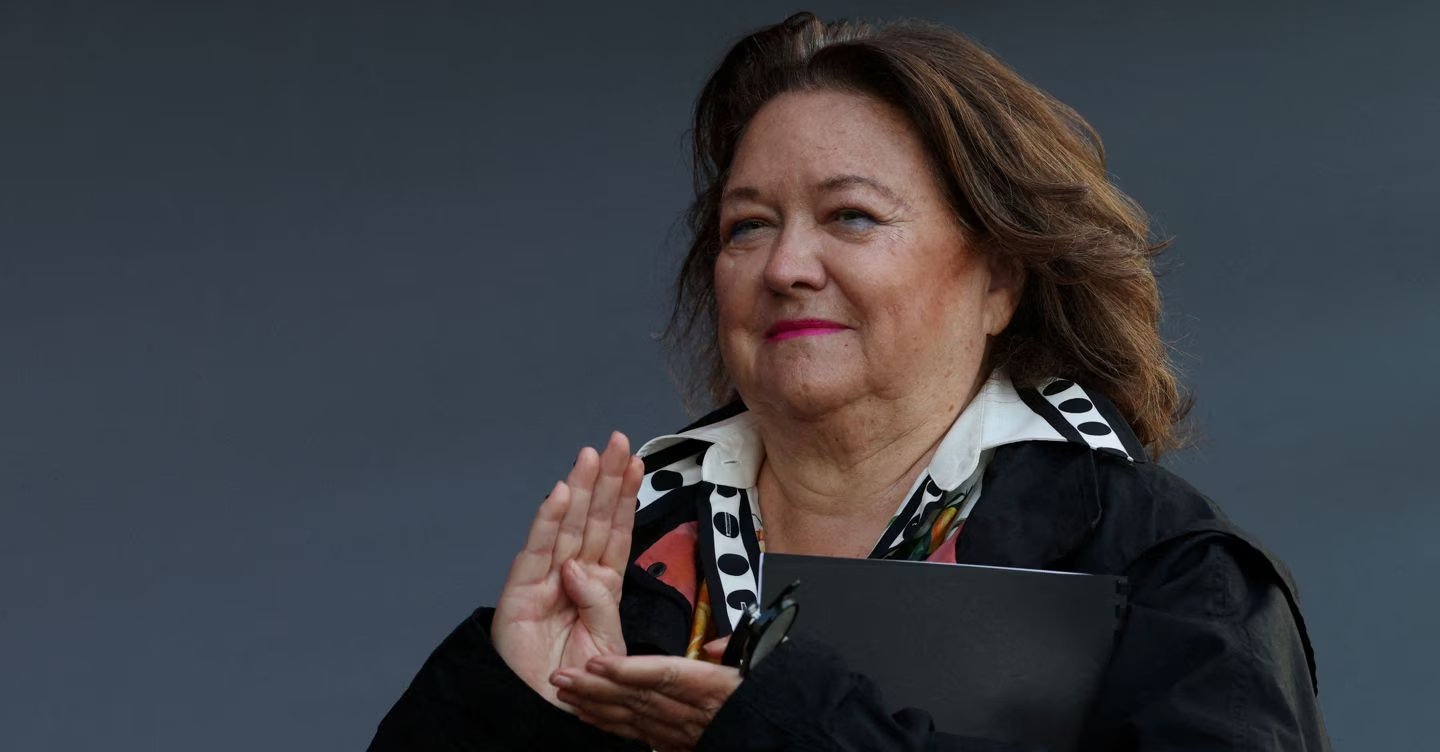
A pitch to get Elon Musk building rockets in Australia lit up a much bigger fight about what the country should make next. At the 2026 Bush Summit in Townsville, Gina Rinehart argued that Australia’s open land, wide seas, and room to grow could attract space projects, microchip manufacturing, and Israeli defense technology.
Rowan Dean’s reaction on Sky News turned that speech into more than a striking headline. It became a debate about industry, public money, taxes, and whether Australia still has the nerve to build new things at home. That argument begins with what Rinehart was proposing in Townsville.
Why Gina Rinehart’s space idea got people talking
Townsville was not a random backdrop. The Bush Summit setting, with speakers focused on regional Australia and economic growth, gave Rinehart’s remarks a strong sense of place. This was framed as a call for big national ideas, not a minor policy tweak.
Dean said he was impressed by Rinehart’s ideas, while also disclosing that Hancock Prospecting sponsors the show. That disclosure mattered, but it did not slow the discussion. The panel treated the speech as a test of whether Australia still thinks in bold industrial terms.
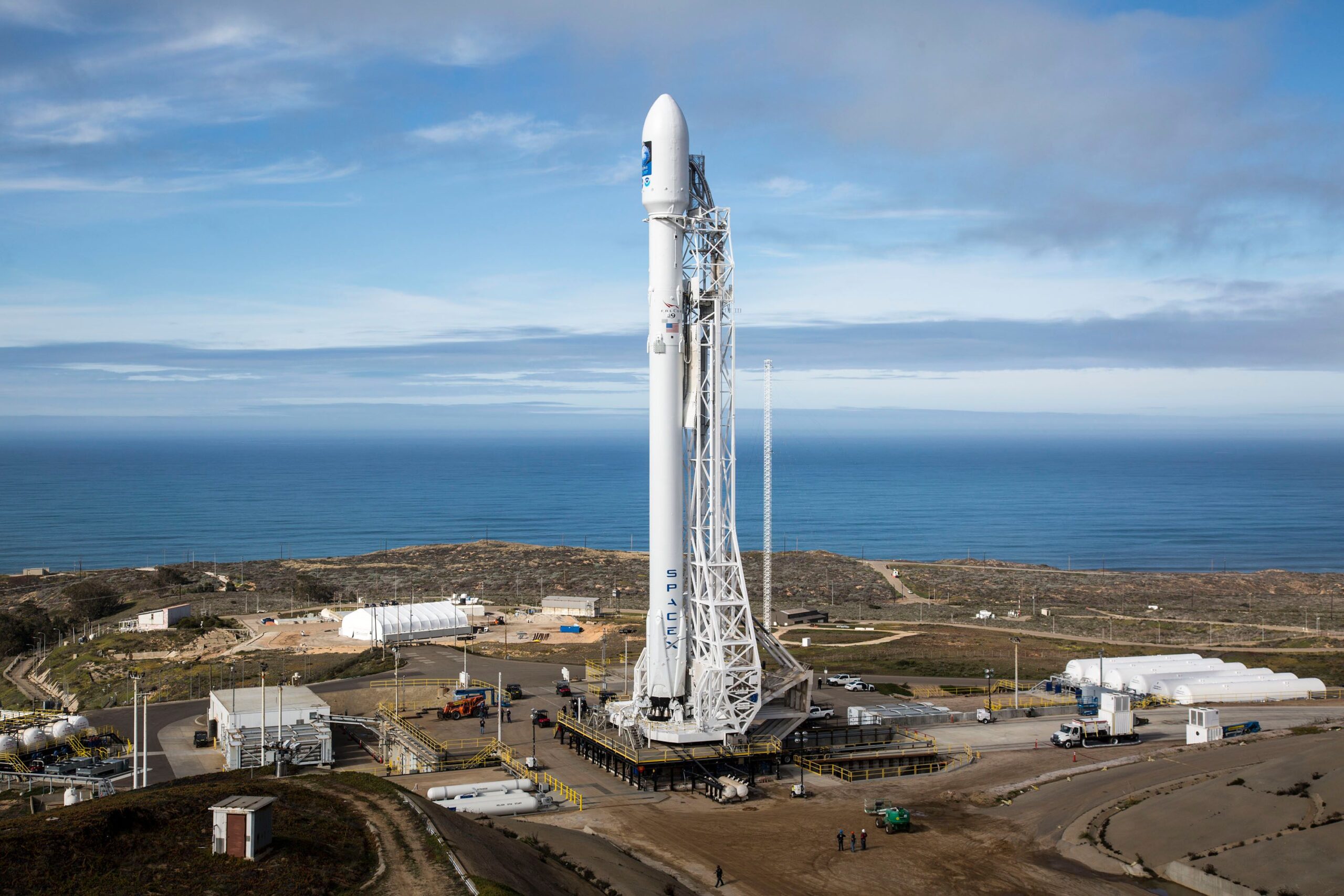
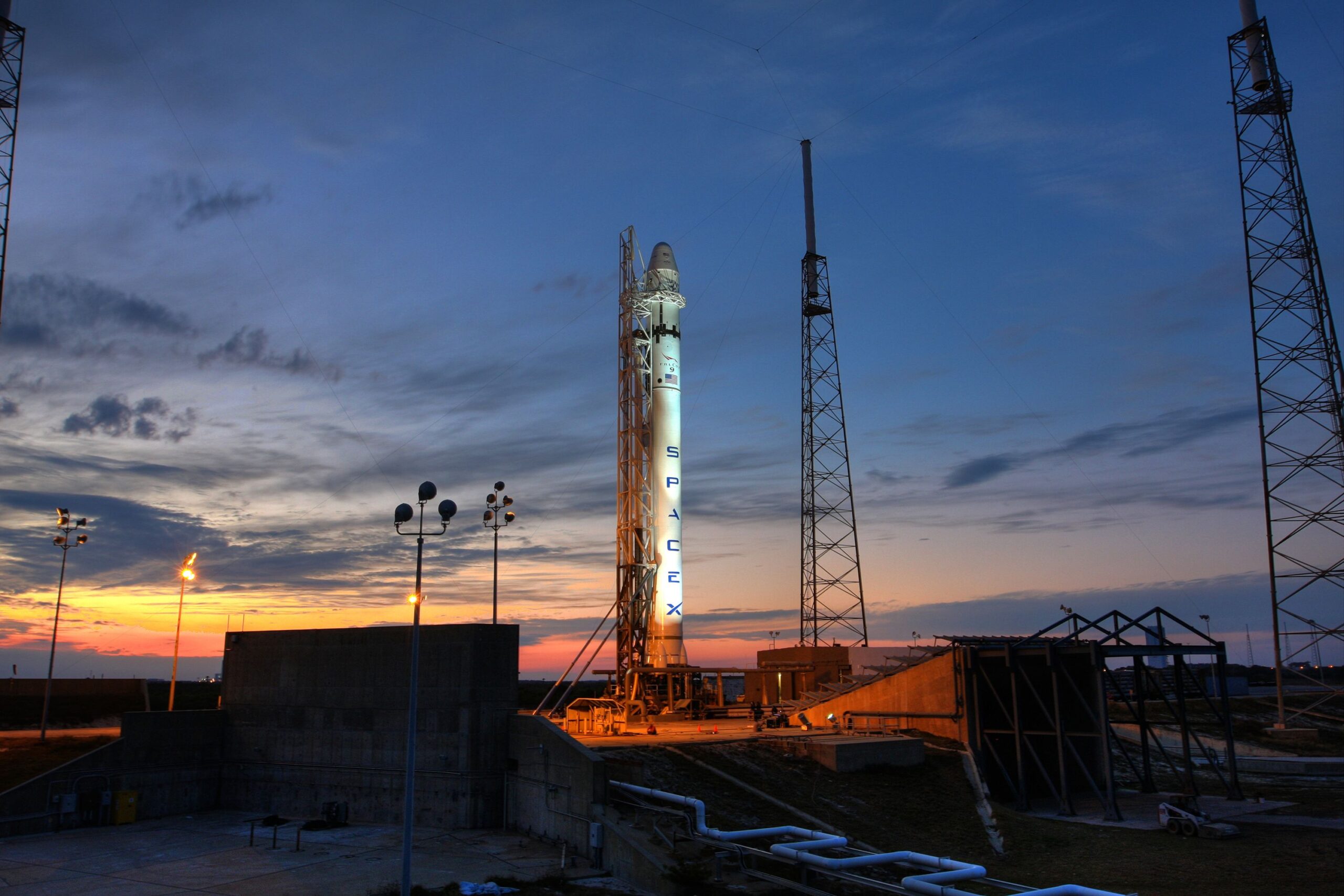
“Let’s get Elon Musk building rockets here, let’s get a space industry here.”
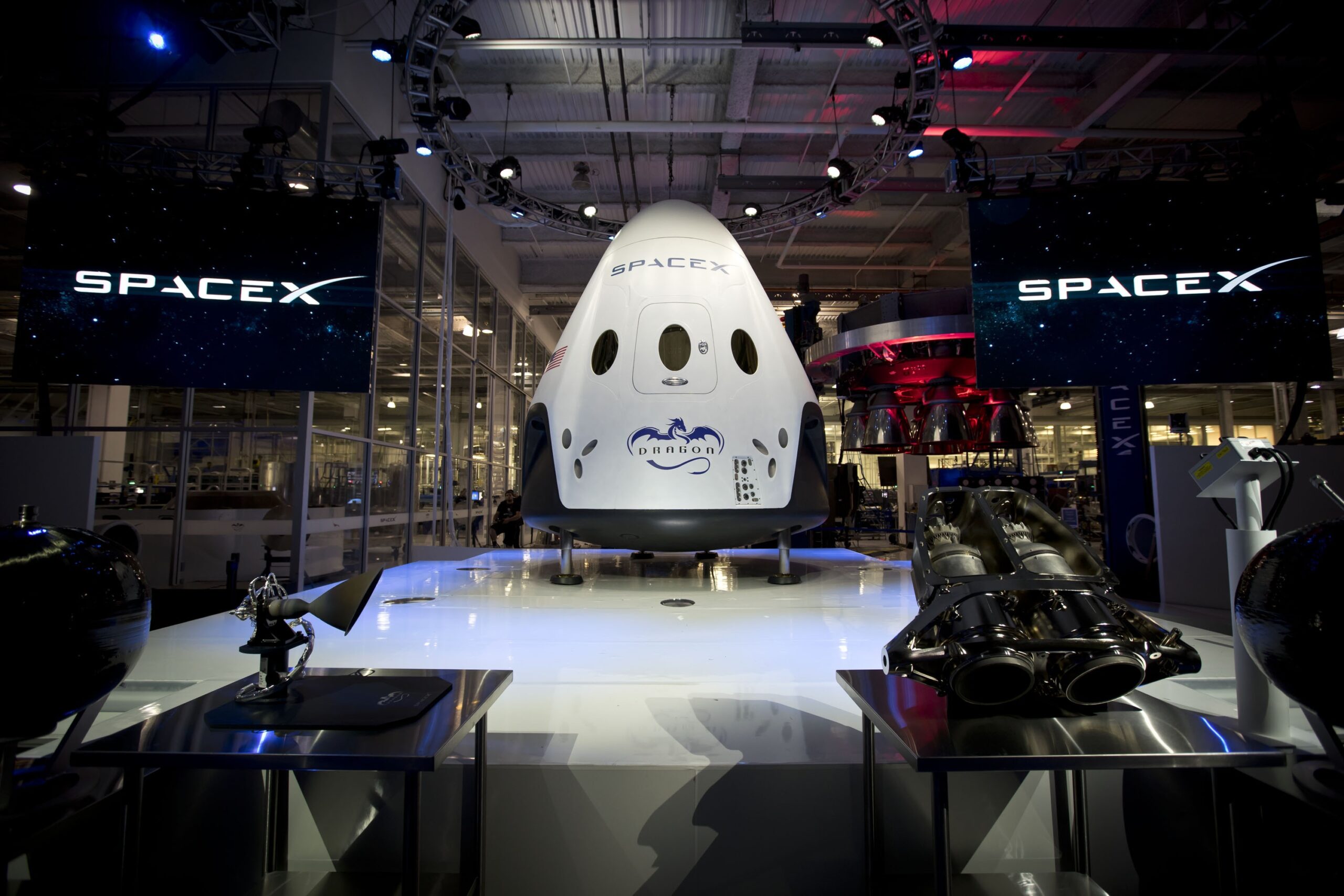
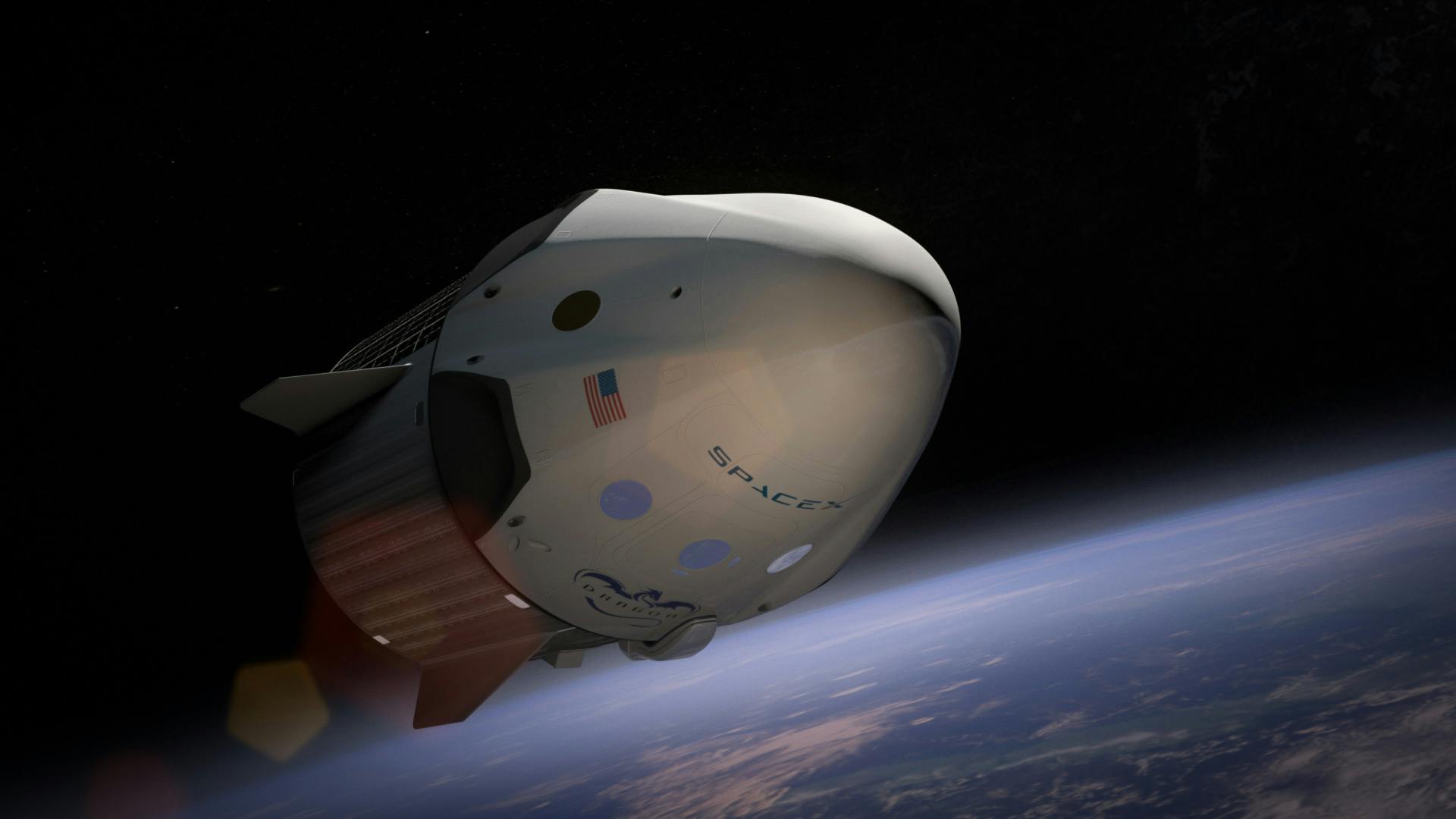
That line, used by Dean to sum up the idea, caught attention because it was simple and vivid. It also carried a larger message. Australia has space, land, and a lower population density than many industrial nations, so why not use those facts to attract high-value sectors? For US readers, the tone sounds familiar because it echoes the American push to bring strategic manufacturing back onshore.
What the proposal actually suggests
Rinehart’s pitch was wider than one famous entrepreneur. In her Townsville Bush Summit speech, she argued that Australia should use its open land, islands, and sea access to attract strategic industries.
That included trying to get Musk involved in space activity, bringing advanced microchip production from Taiwan to Australia, and encouraging Israeli defense manufacturing on Australian soil. One of the clearest ideas in the speech was to offer free land near Prairie, if suitable, or elsewhere near Townsville, along with transport for skilled Israelis, their immediate families, and equipment.
The goal was not vague. Rinehart spoke about developing and building advanced war drones and other defense technology in Australia, then manufacturing those systems here for sale. Broader coverage of the speech also highlighted the idea of offering islands for satellite and launch activity, as outlined in The Guardian’s report on the proposal.
The core point was plain enough. Use Australia’s natural advantages, bring in talent and capital, and build serious industry locally.
Why the reaction was so strong
The Elon Musk angle gave the story lift, but it also made the reaction more political. Musk is not only a business figure. He is a magnet for fights about speech, culture, climate policy, and the role of billionaires in public life.
That helped turn a speech in Townsville into a national talking point, captured in Sky News Australia’s video segment. Supporters hear Musk’s name and think of speed, risk, and large-scale engineering. Critics hear the same name and think of political conflict.
The panel leaned into that contrast. One speaker joked that even if Prime Minister Anthony Albanese somehow held 47 percent of Musk’s fortune, it still would not clear the government’s debt. Another argued that Musk once got a warmer welcome from the left when he was linked to giant batteries in South Australia. In that version of events, Musk became less acceptable only after he moved into fights over free speech and broader politics.
That is why the response was so sharp. The proposal mixed industrial ambition, partisan frustration, and a public figure who now triggers instant reaction from both sides.
Australia has land, space, and a chance to build more
The strongest practical point in the whole discussion had little to do with celebrity. It was about geography. Australia has something many crowded industrial nations do not, room.
That matters in aerospace and defense. Some industries need large safety buffers, controlled access, remote testing areas, and enough distance from dense neighborhoods to make development easier. Land is not the only requirement, but without it, many projects do not get off the ground.
Why open land matters for rockets and testing
Rockets need more than a launch pad. They need secure perimeters, exclusion zones, storage, access roads, and a workable path for heavy equipment and fuel. Testing programs also need places where noise, risk, and restricted movement do not shut down surrounding communities.
That is why talk about land, islands, and seas was not random. A country with broad inland areas and long coastlines can offer conditions that are hard to match elsewhere. Supporters of a local space sector see that as a real industrial edge, not a slogan.
Large sites also create options beyond launches. Satellite work, component manufacturing, tracking, systems testing, and specialist engineering can cluster around a bigger space program. In other words, open land can support an ecosystem, not only a single facility.
Space work also depends on access. Big vehicles, hardware, and skilled crews have to move in and out without turning every shipment into a political fight. That is one reason remote or lightly populated areas keep coming up when governments and private firms talk about aerospace growth.
How regional Australia could fit into the picture
Townsville and Far North Queensland gave the proposal a regional frame. This was not presented as another idea meant only for Sydney or Melbourne. It was pitched as a way to place advanced industry where land is more available and where new investment could reshape a local economy.
If aerospace or defense projects ever took root in the north, the gains would spread beyond a launch site or factory wall. Construction work, transport demand, training needs, housing pressure, and supplier contracts would all follow. That is why the speech linked industrial policy to local development.
Rinehart’s mention of land near Townsville, and even the named reference to Prairie if suitable, made the idea feel more concrete. The image was easy to grasp. Put large, land-hungry projects where there is room for them, then build jobs and infrastructure around that decision.
The argument also pushed against a familiar habit in Australian politics. Advanced industry does not have to live only in big capital cities. Some of it may fit better in regional areas that can actually host the footprint those industries require.
The business case for high-tech industry in Australia
Beneath the political heat, the Townsville remarks made a straightforward economic case. Australia needs more than raw materials and services if it wants deeper industrial strength over time.
The industries raised in the discussion all share a few traits. They are high-skill, capital-heavy, and tied to national capability. They also sit in sectors that governments increasingly treat as strategic rather than optional.
Space tech, microchips, and defense manufacturing
The ideas raised in Townsville clustered around a short list of sectors that supporters say Australia has neglected for too long.
This table sums up the main themes.
| Sector | Proposal raised in the discussion | What supporters say it could bring |
|---|---|---|
| Space and rockets | Attract Elon Musk and related space activity to Australia | New industry, regional investment, and advanced engineering jobs |
| Microchips | Bring high-end chip manufacturing from Taiwan to Australia | More local production and high-skill work |
| Drones and defense systems | Offer land and support for Israeli firms and skilled workers near Townsville | Domestic defense output and possible export sales |
The takeaway is simple. These are not vanity projects in the way supporters describe them. They are industries tied to future jobs, local know-how, and a stronger ability to make important goods at home.
Another panelist argued that Australia should have been building in aerospace, defense tech, space tech, and microchips for decades. Dean cast this as similar to the Trump-style push to bring strategic production back onshore. That comparison helped frame the proposal as part of a wider shift in how nations think about supply chains and industrial security.
Why supporters say Australia should stop missing out
Supporters of this view think Australia keeps watching major opportunities grow somewhere else. The country digs up resources, sells them abroad, and then often buys back higher-value finished products later. That model can make money, but it also leaves a large slice of value creation offshore.
Rinehart’s pitch appealed because it tried to break that pattern. Space manufacturing, chips, and defense systems are the kinds of sectors that can pull in engineers, specialized workers, supplier networks, and research activity. Those industries also create work that is harder to replace than a short-term subsidy program.
Dean pushed the point in blunt language when he said Australia has the brains and the land. In his telling, the problem is not a lack of raw capacity. The problem is that the country keeps hesitating while other places move first.
The political fight over ambition, taxes, and energy policy
The panel did not leave the issue at business strategy. It moved quickly into a wider argument about government, taxation, debt, and the kind of projects that receive public support.
That shift mattered because it showed the speech was being used as a marker in a bigger fight. One side sees Australia as a country blocked by policy settings that punish risk. The other side, at least in the panel’s telling, is too ready to spend public money on weak bets while failing to back harder industry.
Why the speakers blame policy for crushing aspiration
Dean argued that Labor’s approach is squeezing aspiration and making it harder for people to create wealth. He tied that frustration to taxes, to the broader policy climate, and to what he sees as a government hostile to business growth.
The language was strong. The country, in this account, is being “suffocated” rather than helped. That is more than an economic claim. It is a moral one about whether ambition gets rewarded or punished.
The debt joke about Musk’s fortune sharpened that line of attack. Even a fantasy-level share of the wealth of the world’s richest entrepreneur, the panel suggested, would not repair the scale of public debt. The larger message was that the state has grown too large while the productive base has not kept pace.
The critique of costly energy projects
The harshest criticism landed on energy spending. Panelists pointed to green hydrogen, Snowy 2.0, and renewable projects that they said consumed billions of taxpayer dollars while producing weak or delayed results.
That attack was framed as a contrast in priorities. If public money and political attention can flow into projects the panel views as shaky, why can the same urgency not appear around space, defense manufacturing, or microchips? In their view, taxpayers are funding experiments while stronger industrial options go begging.
Another panelist took the argument further and said some renewable investors had walked away with substantial gains while the public carried the cost. The final line of the exchange was the sharpest of all: was green policy turning into a transfer of wealth from working and middle-class Australians to wealthy investors, and perhaps to China?
That is a loaded political claim, and the program treated it that way. Still, it reveals why Rinehart’s speech landed so hard. For supporters, this is not only a debate about technology. It is a debate about who gets backed, who pays, and what kind of economy public policy is trying to create.
What this says about Australia’s future industrial strategy
The headline was about Elon Musk, but the underlying issue is older and larger. What kind of country does Australia want to be?
A nation can stay focused on exporting resources and subsidizing selected projects, or it can push harder to build more advanced production at home. The Townsville debate did not settle that choice, but it put the choice in plain sight.
Could Australia become a test case for bold private investment?
Part of Musk’s pull is symbolic. His name compresses several ideas into one figure: private money, engineering ambition, speed, and a willingness to attempt large projects. That is why he keeps appearing in debates far beyond his own companies.
Rinehart’s pitch leaned on that symbolism, but it also made a practical point. Private capital, global talent, and permissive land use can move faster than government-heavy plans, at least in the view of supporters. The speech imagined Australia as a place where outside expertise could plug into local space and produce something lasting.
Taiwan for chips, Israel for drones, Musk for rockets, each example points to a model based on partnership rather than isolation. For a country with a relatively small population and a vast map, that logic is easy to understand.
The real question behind the headlines
The deeper issue is whether Australia keeps talking about industrial renewal or starts building the sectors it says it wants. That is the real weight behind the Townsville speech and the Sky News reaction to it.
Land alone does not create a factory, a launch site, or a skilled workforce. Still, land matters. So do policy settings, investor confidence, and the willingness to choose sectors worth backing over projects that soak up money without clear results.
Townsville became a stage for that argument because the proposal was so easy to picture. A launch facility on open ground. A plant turning out drones. A chip operation that says the country is ready to make more than it exports in raw form. Whether any of that happens is still unknown, but the pressure behind the idea is hard to miss.
Final thoughts
Gina Rinehart’s push to bring Elon Musk into Australia’s space story landed because it asked a larger question than “should rockets be built here?” It asked whether Australia is prepared to use its land, talent, and capital to create new industries at home.
Rowan Dean and the panel turned that into a wider clash over taxes, public spending, and national ambition. Space, microchips, and defense tech were the headline sectors, but the central issue was simpler. Countries that want fresh growth have to decide what they are willing to build.