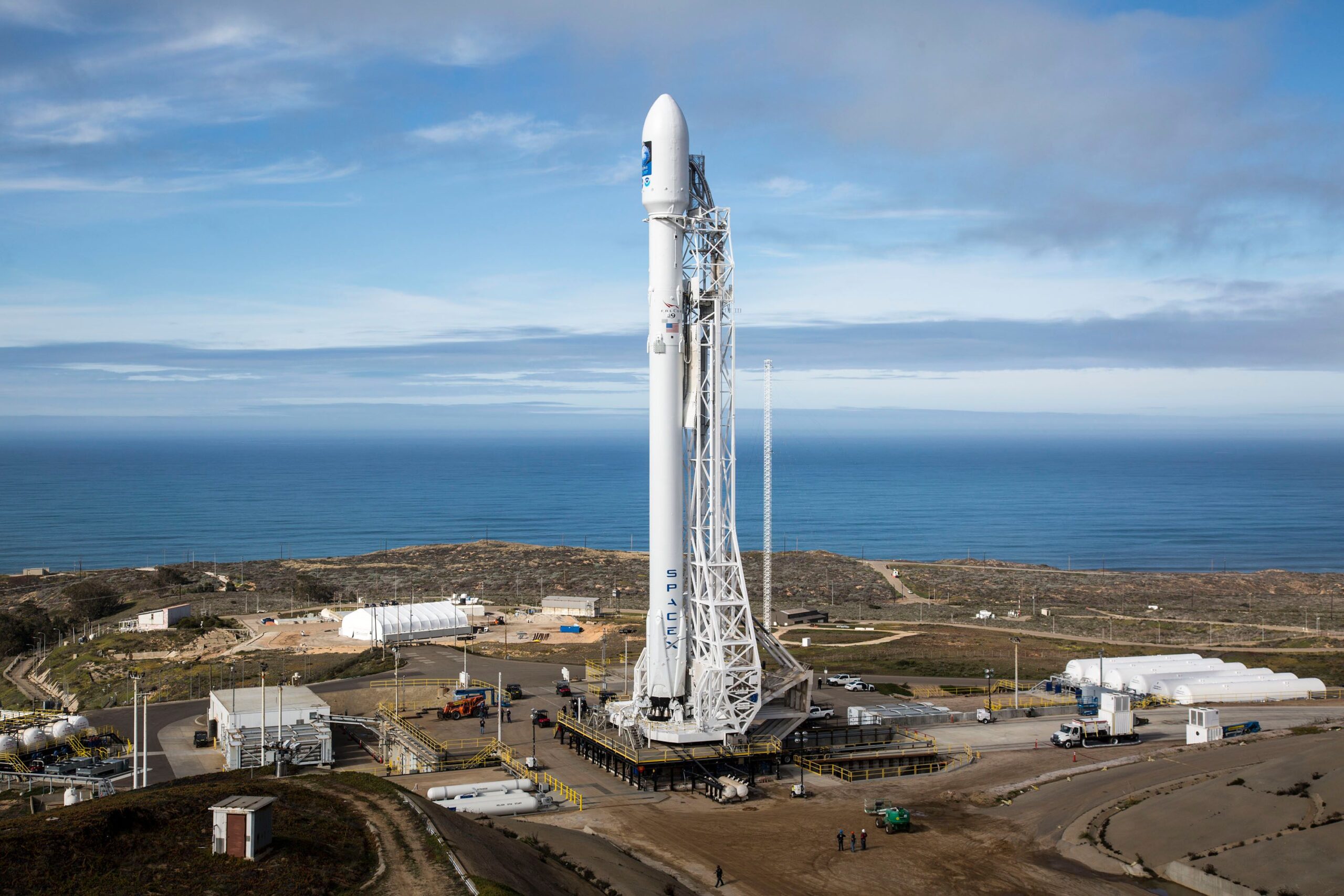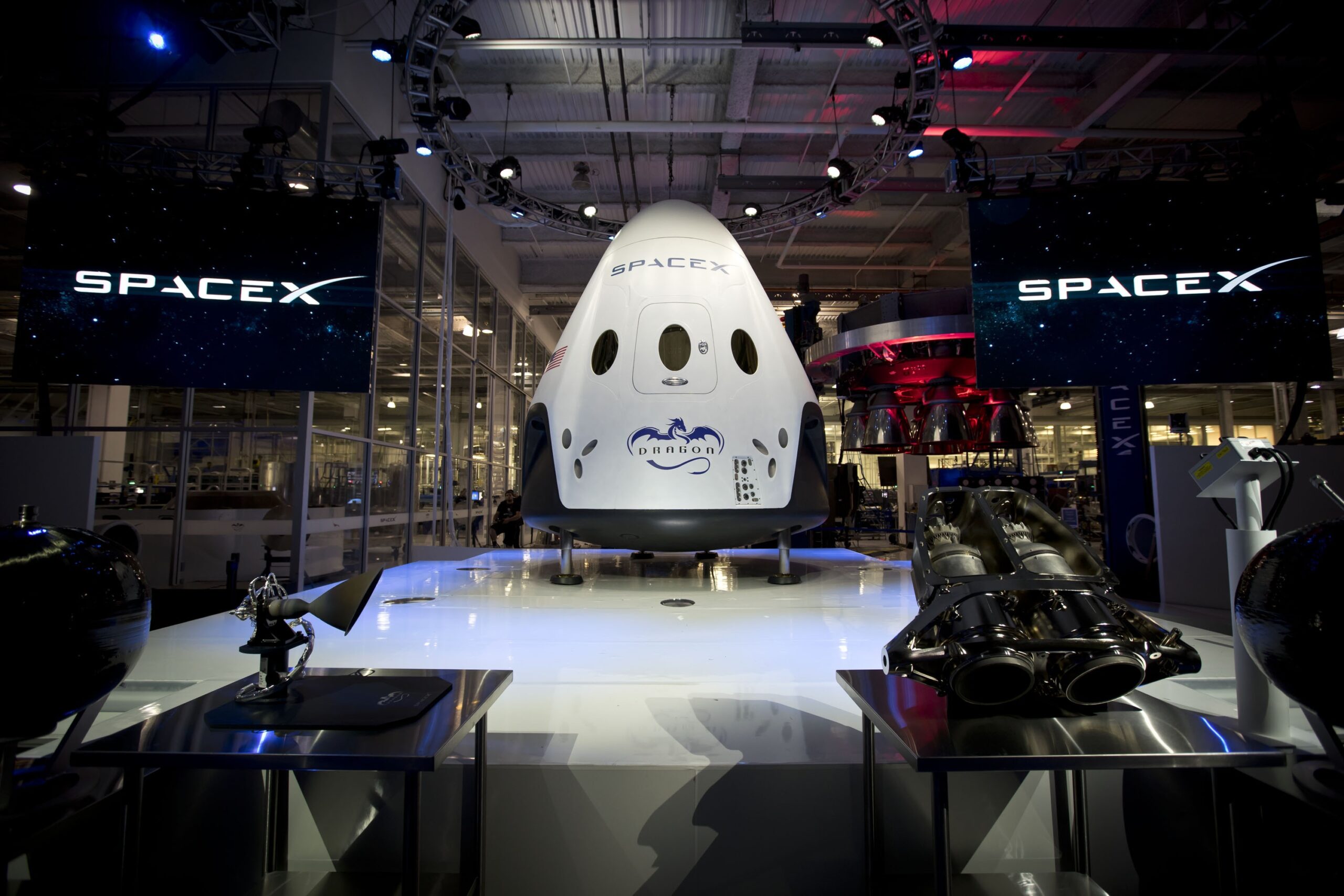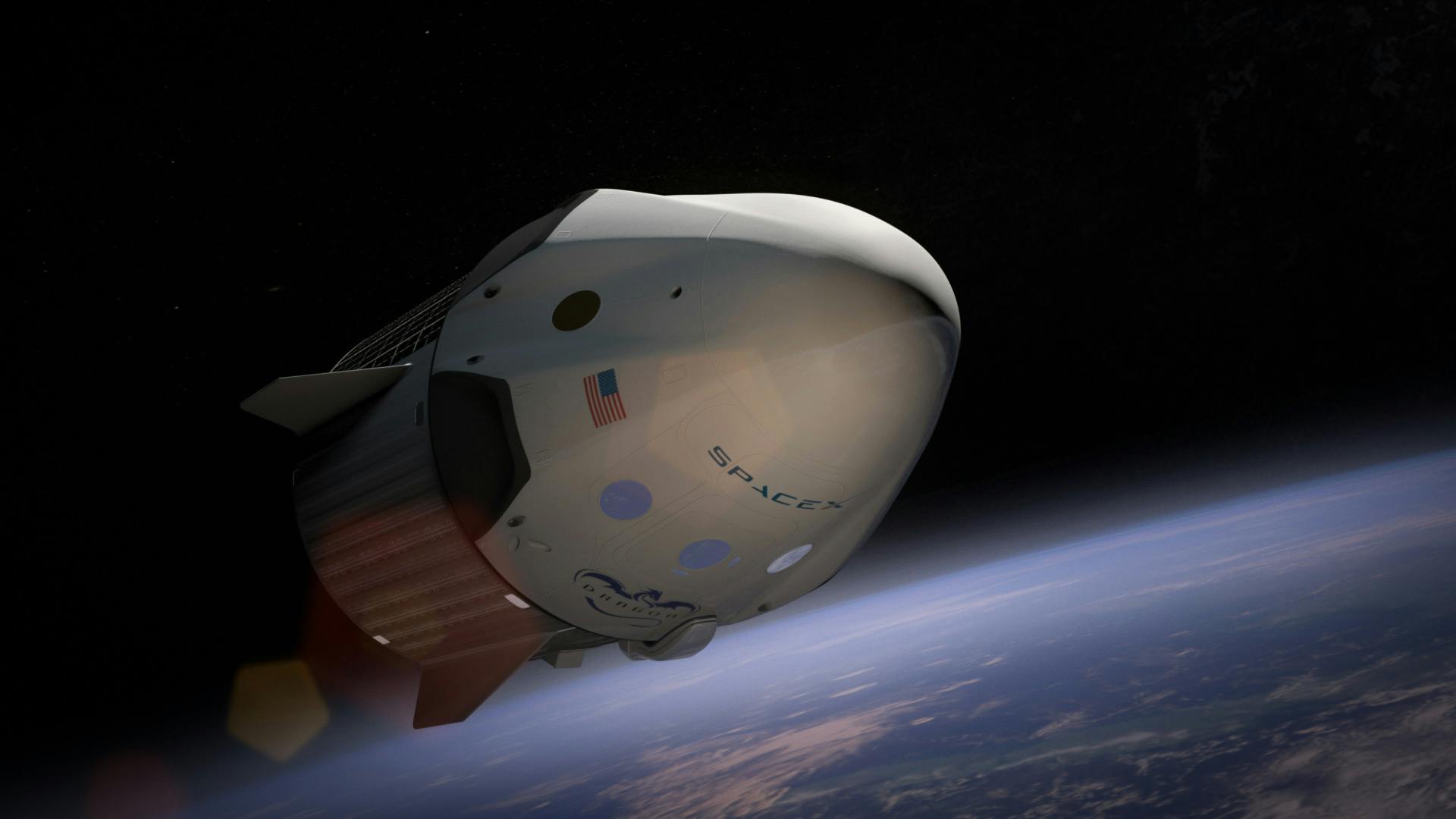
Few names can pull buyers into a stock the way Elon Musk can. Even with Tesla’s swings fresh in people’s minds, the SpaceX debut drew fast demand, thin-supply price action, and the kind of urgency that makes investors feel late after only a few days.
Phil Blancato, chief market strategist at Osaic, framed the move during Fox Business market coverage as both exciting and dangerous. The story is strong, he said, but early gains in hot new listings can fade fast. That mix of belief, scarcity, and caution is what made this market discussion worth watching.
Why the SpaceX debut pulled in so much demand
SpaceX did not attract buyers for one reason alone. It had several forces pushing at once, and each one added fuel.
First, there was scarcity. Blancato pointed to a very limited float, which means only a small slice of shares was available to trade. When demand is heavy and supply is tight, prices can jump harder than fundamentals alone would suggest.
Second, there was options activity. In plain English, when traders crowd into calls, market makers often buy stock to hedge that exposure. That can create another stream of demand on top of regular buying.
Third, there was the business story itself. Blancato did not treat SpaceX as a pure concept stock. He highlighted Starlink as a real-world product people already know, including its use on United flights and its role in military and communications settings during the Russia-Ukraine war. That matters because investors are more willing to pay up when they can point to something tangible, not only a pitch deck and a dream.
This is the short version of what drove the opening frenzy:
| Demand driver | Why it mattered | What could go wrong |
|---|---|---|
| Limited float | Small share supply amplified every wave of buying | Thin trading can reverse just as fast |
| Options demand | Hedging activity may have added stock buying | If options cool, that support can fade |
| Musk halo | Tesla trained investors to expect huge upside from Musk-led ventures | The story can outrun the numbers |
| Starlink traction | Buyers saw a product with visible use cases | A strong product does not settle valuation on its own |
That mix helps explain the early move. It does not prove the price will hold.
The Elon Musk effect on Tesla, SpaceX, and investor behavior
Blancato’s point was simple: many investors do not want to miss the next Musk-fueled winner. Tesla built that reflex over years.
People who watched Tesla turn into one of the most powerful market stories of the last decade learned a hard lesson. Waiting for perfect clarity can mean missing most of the move. That memory changes behavior. When another Musk-linked name appears, buyers often rush in before the full financial picture is settled.
That does not mean the move is irrational. It means the market is pricing in a founder premium. Musk has a record of getting investors to imagine very large outcomes. In a new listing, that matters almost as much as the income statement.
Blancato also hinted at a bigger issue. Investors are not only buying the stock. They are buying the possibility that SpaceX joins the short list of companies that shape the next decade of growth. He grouped that appetite with interest in names like Anthropic and OpenAI, the sort of companies investors assume will dominate future growth exposure if they become widely available in public markets.
In other words, the SpaceX trade was about more than rockets. It was about belief in who is running the company, what the product already does, and how much of the future investors think they are being offered.
Why a limited float can make the move feel bigger than it is
A hot debut with a small float can distort the picture. Price starts to move, demand chases it, and the move begins to look bigger and cleaner than the underlying market really is.
Blancato warned that thin trading can create a false sense of stability. When only a small pool of shares is available, buyers push the price around more easily. That works on the way up, and it works on the way down too.
This is why traditional IPOs often pop and then fall back. Early scarcity gives the stock a lift, but later trading brings more normal price discovery. At that point, investors stop paying for momentum alone and start asking harder questions about revenue, margins, and how much growth is already baked in.
SpaceX may not follow the standard script. Blancato made clear that the euphoria around this name is unusual. Still, he did not treat that as a free pass. His caution was practical: if you caught the early move and made quick money, take some off the table.
That advice matters because early gains can tempt investors into treating a trade like a long-term thesis before the stock has had time to settle. A thin float can make a debut feel like a verdict. Often, it is only the first draft.
What investors should watch before chasing the hype
Blancato was not bearish on SpaceX. He was warning against carelessness.
He said investors can participate, but he also stressed that sharp gains should come with some trimming. That is a useful distinction. The issue is not whether SpaceX has promise. The issue is whether buyers are paying tomorrow’s price today.
Hot listings often create a strange kind of confidence. The stock goes up, social proof builds, and the market starts to treat the move as proof that the story is right. That is where discipline usually gets tested.
When a thinly traded stock surges on heavy enthusiasm, taking some profit is risk control, not a loss of conviction.
When it makes sense to take chips off the table
Blancato’s rule was modest, not dramatic. He suggested taking 10% to 15% off after a strong move.
That is not a call to abandon the trade. It is a way to reduce risk when the market hands you a fast gain. In a name driven by momentum, options demand, and limited float, a small trim can protect you from the kind of reversal that feels impossible right before it happens.
This matters even more when the stock is priced for perfection. New listings tied to powerful narratives often leave little room for bad news, slower growth, or simply cooling enthusiasm. You do not need the story to break for the stock to pull back. Sometimes all it takes is less excitement.
Blancato’s approach also leaves room for both outcomes. If the stock keeps running, you still have exposure. If it drops, you already locked in something real. That kind of balance is easy to overlook when everyone around the trade is focused on how much higher it could go.
He extended the same mindset to other fast-moving winners later in the conversation. The message stayed the same: participate, but do not let a great run erase basic risk discipline.
Why the revenue story still needs to catch up
The other caution was valuation. Blancato acknowledged how easy it is to get swept into the idea of a company jumping from early revenue levels to a trillion-dollar narrative.
That gap is where great stories can become weak entries. A company can be important, admired, and strategically valuable, while still being too expensive at a given moment. Public markets do not only reward great businesses. They reward the right price paid for those businesses.
Blancato’s answer to that tension was not a flat rejection. He said the “juice” may still be worth the squeeze. But he tied that optimism to participation with restraint, not blind chasing.
This distinction matters because SpaceX is being judged on two clocks at once. One clock is the trading clock, where scarcity and demand can move the price today. The other is the business clock, where revenue and future earnings take time to prove the story. Those clocks rarely move at the same speed.
If the market keeps bidding up the name, that gap gets wider. At some point, the numbers have to meet the narrative. Until they do, the stock can stay exciting and still carry real downside.
How AI, public market scarcity, and concentrated indexes fit together
The SpaceX discussion widened into something much bigger than one debut. Blancato argued that the market is still early in understanding how AI-driven productivity may reshape earnings across many companies.
That was his answer to the familiar warning that AI has become too large a share of market enthusiasm. The host raised the Gartner Hype Cycle, with its rise from a technology trigger to a peak of inflated expectations and then a drop into disappointment. Blancato did not deny the hype. He argued that markets may still be underestimating the payoff.
His example was Corning. He noted that the stock had surged because it makes fiber-optic cable needed for data centers. That is a useful reminder that AI demand is not limited to software models or chip designers. It also lifts the less flashy businesses that build the pipes, memory, and hardware behind the boom.
The bigger question is whether productivity gains spread far enough to lift broad corporate earnings. Blancato thinks they might. In his view, almost every company is now being touched by AI in some way. The market still needs time to figure out what that means for revenue growth and margins.
If AI touches nearly every business but index gains stay concentrated in a handful of stocks, passive investors may be carrying more concentration risk than they think.
Why AI-heavy indexes may start moving together
Blancato said he would not be surprised if the S&P 500 and Nasdaq trade more and more alike over time. His reason was concentration.
He argued that the major indexes are becoming increasingly dependent on a relatively small group of names. If the market keeps rewarding the same cluster of AI-linked winners, then the idea of “passive diversification” starts to weaken. Two different indexes can look different on paper and still be moved by many of the same companies.
That has consequences for investors who think they are spreading risk by owning broad benchmarks. If a short list of giants drives most of the return, market leadership becomes narrow, even if the label on the fund says “diversified.”
Blancato’s concern went one step further. He wants to see whether AI-driven productivity spreads into the rest of the market, not only the largest names. If it does, the bull case broadens. If it does not, the market stays vulnerable to stumbles in a small set of stocks.
He also tied this to a Main Street problem. Fewer young, fast-growing companies are available in public markets now than in the past. That means regular investors often meet the growth story later, after much of the early value creation already happened in private hands.
Why fewer public companies remain a problem
The host raised an important point about stock supply. For years, buybacks and a shrinking pool of public companies reduced available shares. That supported prices.
Blancato does not think a handful of big IPOs will reverse that trend. In his view, the pipeline of new businesses is not the problem. He said America is producing plenty of new companies. The real barrier is the cost and burden of going public.
He pointed to accounting rules, FINRA, SEC requirements, and the expense tied to a listing. Those hurdles push companies to stay private longer. That keeps many of the best growth stories out of reach for ordinary investors until later in their life cycle.
This is one reason SpaceX drew so much heat. Scarcity is not only about float. It is also about access. When public investors get a shot at a company they have watched from the sidelines for years, demand can pile up fast.
That helps explain why a single debut can feel like an event for the whole market. It is not only new supply. It is rare supply.
Why cash on the sidelines may stay put for now
Another big question was whether money would leave money market funds and rush into risk assets. Blancato pushed back on the idea that a massive wave is about to happen.
His argument was straightforward. People like earning a safe 4%. As long as cash pays something meaningful, many investors are content to wait. That cash is not dead money in their minds. It is dry powder.
He drew the line lower. If short-term yields fall below 3%, and especially if they slip under inflation, investor behavior could change. At that point, some of the trillions sitting in money markets may start looking for a better home.
Still, he did not expect a collapse in cash balances. He talked about a partial move, not a stampede. That fits with his broader tone throughout the discussion. He sees opportunity in growth and AI, but he also thinks investors still want safe places to park money while rates remain decent.
That matters for SpaceX and every other risk trade. If cash stays attractive, speculative demand has to work harder for each new dollar.
Where Blancato still sees opportunity beyond SpaceX
SpaceX dominated the conversation, but it was not the only place Blancato saw upside. He also pointed to memory names tied to the AI buildout, and he made a consumer-oriented case for Hyatt.
These ideas helped show how he is thinking about the current market. He is not chasing only headline stocks. He is looking for areas where demand is visible, earnings can grow, and the market may still be underpricing the setup.
Why Micron and SanDisk still fit the AI trade
Blancato said he still likes Micron and SanDisk because they sit inside the “picks and shovels” part of AI. In this case, the focus is memory, especially DRAM.
The case is not hard to follow. AI systems need chips, but they also need memory. If demand for AI infrastructure stays strong, memory suppliers benefit in a more basic, less glamorous way. They help keep the whole machine running.
He said Micron looked cheap on earnings, even after a strong run, because the demand cycle still supports the stock. He also compared Micron’s position in memory to Nvidia’s strength in AI chips. The point was not that the businesses are identical. It was that when a company is one of the few places buyers can go for a critical component, pricing power and investor interest can hold up longer than people expect.
He also noted that contracts stretch well into the future, which gives some visibility. That does not remove the risk, and he kept the same discipline here as he did with SpaceX. If you made huge gains, take some money off. If you missed the move, do not force it. Wait for an opening or average in slowly.
That is a cleaner way to handle stocks that can turn quickly. As the host put it, opportunities can appear and disappear as fast as an old Mike Tyson fight.
Why Hyatt and the Fed still matter for the consumer
Blancato also leaned into a more consumer-linked idea: Hyatt.
He compared Hyatt’s chart to Marriott’s and said Hyatt may be starting a similar climb, even if it has not had the same dramatic run yet. His reasons were practical. He sees stronger hotel demand, likes the company’s internal partner program, and expects double-digit earnings growth.
He added a fuel-cost angle as well. If gasoline drops closer to $3 a gallon, travel could get another lift. That would help hotel operators because travel is one of the categories people often fight to keep, even when budgets tighten elsewhere.
The discussion ended with the Fed, and Blancato’s answer was more about tone than policy. He said he wants less talking from central bankers and more focus on the basics: interest rates, employment, and shrinking the balance sheet so the Fed has less direct influence on markets.
That view fits the rest of his market read. He does not want investors trading every comment from a policymaker. He wants them looking at earnings, demand, prices, and where risk is building beneath the surface.
Final thoughts
SpaceX’s debut showed that Musk’s name can still pull a crowd in a hurry. Add a limited float, options-driven demand, and a business story people already recognize, and you get the kind of surge that makes patience feel old-fashioned.
Blancato’s key point was not to stand aside from every big theme. It was to stay engaged without losing discipline. That applies to SpaceX, AI infrastructure names like Micron, and even consumer plays like Hyatt.
The story around SpaceX is powerful. The market still rewards investors who remember that powerful stories and careful risk management belong together.