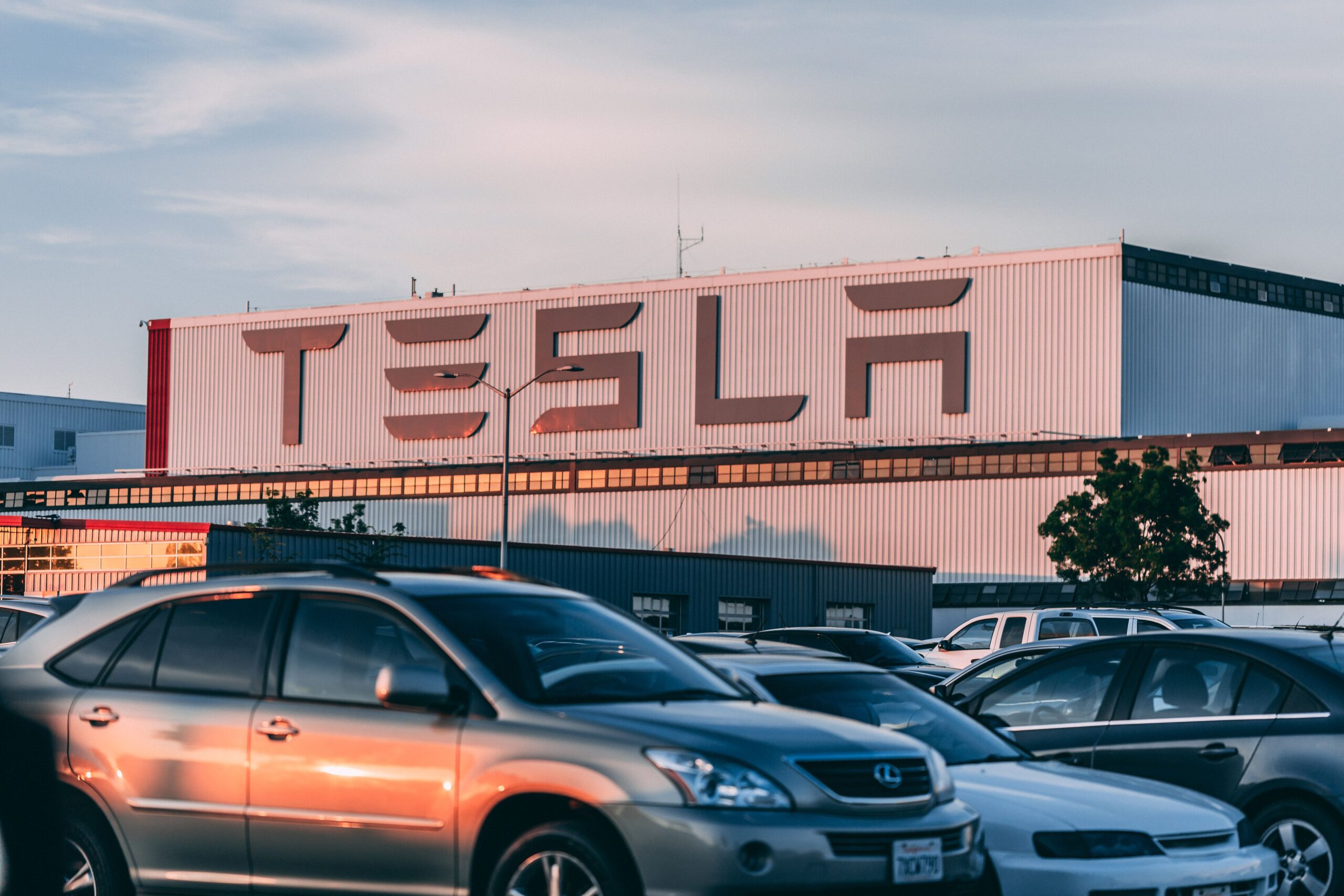
Tesla’s latest move in India is easy to spot on the street, but much harder to find on a factory floor. The company has opened a fourth showroom, yet Mint reported that Tesla has stepped away from plans to build vehicles locally, at least for now.
That matters because India offered a path to much lower import duties if Tesla committed serious money to manufacturing. Without that investment, every imported vehicle lands with a heavy tax burden, and the early sales numbers show how quickly that can squeeze demand.
Tesla is expanding retail in India, not production
Tesla opened its fourth showroom in India in Bengaluru, adding to its locations in Mumbai, Delhi, and Gurugram. On the surface, that looks like steady progress. Buyers can walk into a Tesla store, see the cars up close, and place orders in major urban markets.
The company has also built a modest charging footprint. Mint’s report cited five Supercharger stations and 14 wall connector destination chargers. That kind of buildout fits the broader future of electric transportation infrastructure, but it still stops short of the one move that would change Tesla’s cost base in India: local manufacturing.
A new product is also on the way. The three-row Model Y long wheelbase is scheduled to begin deliveries in June. So Tesla is still treating India as a market worth serving. It is adding storefronts, preparing deliveries, and putting some support infrastructure in place.
Still, a showroom network and a factory are two very different commitments. One helps sell imported cars. The other changes the economics of selling them. Retail expansion can make Tesla look more established, but it does not cut import duties, shorten the supply chain, or narrow the price gap with locally built rivals.
That distinction sits at the center of the current story. India is getting Tesla’s brand presence, but not the deeper investment that could make the company more competitive over time.
The deal India offered Tesla came with a clear price tag
India did not offer Tesla a simple tax break for entering the market. It offered a bargain. Under the country’s Strategic Promotion of Manufacturing of Electric Vehicles policy, automakers could get a sharp import duty reduction, down to 15%, instead of standard rates described in the report as 70% to 100%.
The condition was clear. Any company that wanted that benefit had to commit at least Rs 4,150 crore, about $500 million, to local manufacturing in India.
Mint reported that Tesla joined early stakeholder discussions around this policy. Later, the company did not take part in subsequent rounds. That lines up with the broader account in Teslarati’s report on India’s EV factory standoff, which describes the same trade-off between lower duties and a factory commitment.
Tesla did not agree to the required investment. As a result, it continues to import vehicles rather than build them in India. Mint’s report says Tesla is paying the full 110% import duty on each Model Y it brings in from its Shanghai Gigafactory.
The difference between 15% and 110% is not a small policy detail. It shapes the price a buyer sees, the margin Tesla keeps, and the room the company has to respond when demand softens. India designed the policy to attract factories, supplier networks, and long-term industrial investment. Tesla appears to have wanted market access without taking that larger step.
That choice leaves the company in a difficult middle ground. It can sell in India, but it has to do so under the full weight of import taxes.
Tesla’s early sales numbers show why the current model is hard to sustain
The clearest test of Tesla’s India strategy is not the number of showrooms. It is the number of cars registered after those showrooms open. By that measure, the first stretch of 2026 looks weak.
This monthly snapshot makes the trend easier to read:
| Month (2026) | Units | What stood out |
|---|---|---|
| January | 37 | Down 49% from December |
| February | 29 | Lowest single-month figure since Indian deliveries began |
| March | 49 | Likely boosted by demand ahead of the Model Y long wheelbase launch |
| April | 43 | Slipped back after March |
The March bounce gave Tesla a brief lift, but it did not change the pattern. Volume stayed low, and the monthly figures remained small for a brand that had once planned a larger import push.
Mint said Tesla originally intended to use its full 2,500-unit import quota. After demand came in well below expectations, the company cut those plans back. That matters because imported inventory is expensive inventory. Each vehicle already carries a steep duty load before it even reaches a buyer.
The inventory picture from late 2025 was even more telling. Between September and December 2025, only 217 Tesla vehicles were registered in India. That left a meaningful number of cars sitting unsold, especially after some early bookings were canceled.
Late in 2025, Tesla began offering discounts of up to Rs 2 lakh on certain Model Y variants. The report said that roughly one-third of its imported India inventory was affected. Discounting can help clear stock, but it is a painful tool when the product being discounted already absorbed a 110% import duty on the way in.
Those figures explain why the strategy looks strained. Low sales are manageable when costs are flexible. Tesla’s costs in India are not flexible right now. The cars are imported, the tax bill is high, and price cuts eat into already thin room for profit.
Why local manufacturing matters far more than a showroom count
Local manufacturing changes the math in ways that showrooms never can. When a carmaker builds inside the country where it sells, import duties fall away or shrink, shipping costs ease, and the company gets more control over supply, timing, and inventory. That does not solve every business problem, but it creates breathing room.
Tesla does not have that room in India. Each Model Y comes from Shanghai. So the company carries freight costs, the full import duty burden cited in the report, and the risk that cars may sit longer than expected if demand slows. That risk became visible when registrations fell short and discounts appeared.
Four showrooms can build brand presence. They cannot erase a 110% duty burden on imported vehicles.
This is also where Tesla runs into locally produced competitors. Mint’s report said the company is at a significant price disadvantage against vehicles made in India. That disadvantage is easy to understand. A local manufacturer starts with a lower-cost structure. Tesla starts with a much heavier landed cost before it even begins to price the car for the market.
The upcoming three-row Model Y long wheelbase may attract attention, and it may help Tesla find a few more buyers. Yet the basic issue stays the same. A new variant does not remove the tax load built into the import model.
That is why the factory question keeps returning. It is not about symbolism. It is about whether Tesla can move past a niche, high-priced imported offering and compete on stronger footing in one of the world’s biggest auto markets.
Tesla’s India strategy now looks retail-first, with little sign of a factory
At this point, Tesla’s India plan looks narrow and deliberate. The company is building a sales footprint, not a manufacturing base. It has stores in four major cities, a limited but visible charging network, and a fresh model launch on the calendar.
That approach lets Tesla test the market without making a $500 million factory commitment. It also limits downside if sales stay small. From a capital-allocation view, that is easier to understand than building a plant before demand proves itself.
Yet the trade-off is severe. A retail-first strategy keeps Tesla present in India, but it also locks the company into higher prices and weaker margins. The same choice that reduces investment risk also makes it harder to scale.
Mint’s report also noted that Tesla participated in early talks around India’s EV manufacturing policy but skipped later rounds. That detail matters because it suggests the company did not simply pause a nearly finished plan. It stepped back before making the commitment the policy required.
For now, India looks like a market where Tesla wants to sell cars, but not build them. That could change one day, because strategies do change. Still, nothing in the current setup points to an active manufacturing push. The signs on the ground point in the other direction: more retail presence, imported inventory, and no announced factory.
The next phase will likely be judged by hard numbers, not headlines. If the June Model Y long wheelbase deliveries improve volume, Tesla may gain a little more room. If low registrations, discounting, and inventory pressure continue, the limits of the current strategy will become even harder to ignore.
The bigger message in Tesla’s India move
Tesla’s India story is no longer about whether the brand wants a presence in the country. It already has one, with four showrooms, charging points, and incoming Model Y deliveries.
The harder question is whether that presence can grow without local manufacturing. So far, the early sales data, unsold inventory, and discounting all point back to the same pressure point: price.
Tesla can keep selling imported cars in India. But until it commits factory money, the company looks less like a future manufacturer there and more like a premium retail brand testing the market from behind a glass storefront.